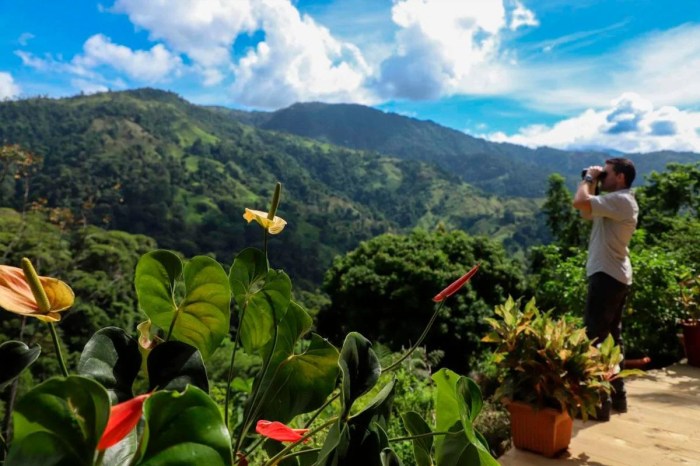
Discover the breathtaking beauty of Costa Rica while minimizing your environmental footprint. This guide explores incredible travel deals for eco-friendly vacations, showcasing sustainable lodges, unique activities, and responsible tourism practices. We’ll delve into the best deals, highlighting how to find value without compromising your commitment to the planet.
From thrilling adventure tours through lush rainforests to relaxing retreats on pristine beaches, Costa Rica offers a diverse range of eco-conscious experiences. We’ll provide practical tips for planning your trip, ensuring a memorable and responsible journey that benefits both you and the environment.
Defining Eco-Friendly Travel in Costa Rica
Eco-friendly travel, or ecotourism, in Costa Rica goes beyond simply visiting beautiful landscapes. It involves a conscious effort to minimize environmental impact and maximize positive social and economic contributions to local communities. This approach prioritizes responsible interactions with nature and culture, ensuring the long-term sustainability of both.
Characteristics of Eco-Friendly Tourism in Costa Rica
Eco-friendly tourism in Costa Rica is characterized by a deep respect for the country’s biodiversity and its cultural heritage. This translates into a variety of practices, from choosing sustainable accommodations to supporting locally owned businesses. It emphasizes minimizing waste, conserving resources (water and energy), and protecting wildlife habitats. Tourists actively seek out experiences that educate them about the environment and culture, fostering a sense of responsibility and appreciation for the destination.
Sustainable Practices Implemented by Costa Rican Eco-lodges and Tour Operators
Many Costa Rican eco-lodges and tour operators actively implement sustainable practices. Examples include using renewable energy sources like solar power, employing water conservation techniques such as rainwater harvesting, and sourcing food locally to reduce carbon emissions associated with transportation. They often participate in community-based tourism initiatives, ensuring that local communities directly benefit from tourism revenue. Furthermore, eco-lodges frequently implement waste management programs, including composting and recycling initiatives, minimizing their environmental footprint.
Many also actively participate in wildlife conservation projects and reforestation efforts.
Environmental and Social Impacts of Responsible Travel in Costa Rica
Responsible travel in Costa Rica has significant positive environmental and social impacts. Environmentally, it helps preserve Costa Rica’s renowned biodiversity by protecting fragile ecosystems and reducing pollution. Socially, it generates income for local communities, promotes cultural preservation, and empowers local people through job creation and skill development. By supporting locally owned businesses and participating in community-based projects, responsible tourists contribute directly to the economic well-being of local communities and help to maintain their cultural identity.
The reduced environmental impact also safeguards the natural resources that are vital for the long-term prosperity of Costa Rica.
Comparison of Eco-Tourism and Traditional Tourism in Costa Rica
The following table contrasts eco-tourism with traditional tourism in Costa Rica:
| Location | Activity | Eco-Tourism Practices | Traditional Tourism Practices |
|---|---|---|---|
| Remote rainforest lodge | Guided nature walk | Small group size, local guide, minimal impact trail, carbon offsetting | Large tour bus, paved trails, potentially disruptive to wildlife |
| Beach resort | Snorkeling | Use of reef-safe sunscreen, avoidance of touching coral, respect for marine life | Use of harmful sunscreens, potential damage to coral reefs, disregard for marine life |
| Coffee plantation | Coffee tour | Support for fair-trade practices, organic farming methods, local employment | Mass production, potential use of harmful pesticides, minimal local benefit |
| National Park | Wildlife viewing | Respect for wildlife, adherence to park regulations, use of binoculars instead of flash photography | Disturbing wildlife, littering, ignoring park regulations |
Exploring Travel Deals for Eco-Friendly Vacations

Securing a fantastic deal on your eco-friendly Costa Rican adventure is entirely achievable. Numerous options exist, allowing you to balance responsible travel with budget-conscious planning. Understanding the various deal types and influencing factors will empower you to find the perfect vacation package that aligns with your values and your wallet.
Eco-tourism in Costa Rica is a thriving industry, and this competitive market translates into a range of attractive travel deals for environmentally conscious travelers. These deals often come in the form of package deals, discounts for off-season travel, or special offers from eco-lodges and tour operators. By strategically planning your trip, you can significantly reduce the overall cost while supporting sustainable tourism practices.
Types of Eco-Friendly Travel Deals in Costa Rica
Costa Rica offers diverse options for budget-conscious eco-travelers. Package deals often bundle flights, accommodation in eco-lodges or sustainable hotels, and tours focusing on wildlife observation or community-based projects. Discounts are frequently available during the off-season (typically May to November, excluding holidays), providing significant savings. Many eco-lodges and tour operators also offer special promotions throughout the year, such as early bird discounts or loyalty programs.
Furthermore, some organizations offer group discounts, making it cost-effective to travel with friends or family.
Websites and Platforms Offering Eco-Friendly Travel Deals
Several online platforms specialize in connecting travelers with eco-friendly accommodations and experiences in Costa Rica. Websites like G Adventures, Responsible Travel, and Intrepid Travel feature curated itineraries emphasizing sustainability and community engagement. Booking platforms such as Booking.com and Expedia also allow filtering for eco-certified properties, enabling you to compare prices and options across various providers. Directly contacting eco-lodges and tour operators can also yield excellent deals, particularly for longer stays or customized itineraries.
Factors Influencing the Pricing of Eco-Friendly Travel Packages
The price of an eco-friendly travel package in Costa Rica is determined by a multitude of factors. The type of accommodation (e.g., luxury eco-lodge versus a simpler guesthouse), the length of stay, the inclusion of activities and tours, and the time of year all significantly impact the final cost. The level of sustainability certifications and practices adopted by the accommodation or tour operator also play a role; properties with rigorous certifications often command higher prices due to their commitment to environmental protection and social responsibility.
Finally, the level of service and exclusivity offered by the provider also influences pricing. A secluded, private eco-lodge will naturally cost more than a shared dorm room in a hostel.
Key Considerations When Searching for Value and Sustainability
Before booking, carefully weigh these factors to ensure a balanced approach to value and sustainability:
Finding the perfect balance between cost and ethical considerations is key. The following points should guide your search for a truly valuable and sustainable Costa Rican vacation:
- Certification and Accreditation: Prioritize accommodations and tour operators with recognized eco-certifications (e.g., CST, Rainforest Alliance).
- Transportation: Consider the environmental impact of your transportation choices. Opt for electric vehicles, public transportation, or carbon-offsetting programs when possible.
- Local Engagement: Choose activities and tours that support local communities and contribute to the preservation of natural resources.
- Waste Reduction: Look for accommodations and tour operators with strong waste management and recycling programs.
- Pricing Transparency: Understand what is included in the package price and look for providers that are transparent about their pricing structure.
- Reviews and Testimonials: Read reviews from previous travelers to gauge the quality of the experience and the provider’s commitment to sustainability.
Costa Rican Eco-Destinations and Activities
Costa Rica’s commitment to ecotourism provides a wealth of opportunities for travelers seeking both adventure and sustainability. From lush rainforests teeming with wildlife to pristine beaches perfect for relaxation, the country offers diverse eco-destinations catering to a variety of interests. This section will explore some popular choices, showcasing specific eco-lodges and tours, and outlining a sample itinerary for an unforgettable eco-friendly vacation.
Popular Eco-Friendly Destinations in Costa Rica
Costa Rica’s diverse geography lends itself to a wide array of eco-tourism experiences. The country offers something for everyone, whether you prioritize adventure, relaxation, or wildlife observation. Specific destinations cater to particular preferences, allowing for a tailored and enriching travel experience.
- La Fortuna & Arenal Volcano: Ideal for adventure seekers, this region boasts the majestic Arenal Volcano, offering hiking trails, zip-lining, and hot springs. The surrounding rainforest is rich in biodiversity, making it a prime location for wildlife spotting.
- Monteverde Cloud Forest: Known for its unique cloud forest ecosystem, Monteverde is a haven for birdwatchers and nature enthusiasts. The area offers hanging bridges, canyoning, and guided nature walks through the misty forests.
- Manuel Antonio National Park: This park combines stunning beaches with lush rainforest, providing opportunities for both relaxation and wildlife viewing. Expect to see monkeys, sloths, and a variety of bird species. The beaches themselves are perfect for swimming and sunbathing.
- Tortuguero National Park: Accessible primarily by boat or plane, Tortuguero is a remote paradise known for its canals and abundant wildlife, including sea turtles (during nesting season). This destination is perfect for those seeking a tranquil escape and a unique wildlife experience.
Examples of Eco-Lodges and Tours
Many eco-lodges and tour operators in Costa Rica prioritize sustainability and responsible tourism. They often implement practices such as using renewable energy, supporting local communities, and minimizing their environmental impact.
- Pacuare River Lodge (Adventure): This remote lodge, accessible only by horseback or raft, offers white-water rafting and other adventure activities while emphasizing minimal environmental impact. Their commitment to sustainability includes employing local staff and using locally sourced food.
- Nayara Springs (Relaxation): Located near Arenal Volcano, Nayara Springs offers luxurious accommodations with private hot springs and stunning views. Their commitment to sustainability includes water conservation measures and the use of organic products.
- El Salto Rope Swing (Adventure & Wildlife): This tour combines the thrill of rope swings into a stunning waterfall with opportunities to observe local wildlife. The operators are committed to responsible tourism practices, ensuring the preservation of the natural environment.
Sample 7-Day Eco-Friendly Vacation Itinerary
This itinerary balances adventure and relaxation, showcasing Costa Rica’s diverse ecosystems.
- Day 1-3: La Fortuna/Arenal Volcano: Stay at an eco-lodge near Arenal Volcano. Activities include hiking around the volcano, zip-lining through the rainforest, and relaxing in a natural hot spring.
- Day 4-5: Monteverde Cloud Forest: Travel to Monteverde and explore the cloud forest via hanging bridges or a guided nature walk. Consider a night walk to observe nocturnal wildlife.
- Day 6-7: Manuel Antonio National Park: Enjoy the beaches of Manuel Antonio National Park and explore the rainforest trails, looking for monkeys, sloths, and other wildlife. Consider a sunset catamaran tour.
A Typical Day at an Eco-Lodge in Costa Rica
Imagine waking to the sounds of howler monkeys echoing through the rainforest canopy. The air is thick with the sweet scent of blooming hibiscus and the earthy aroma of the surrounding vegetation. Sunlight filters through the leaves, dappling the forest floor. After a breakfast of fresh, locally sourced fruits and coffee, you might embark on a guided nature walk, immersing yourself in the sights and sounds of the rainforest.
The afternoon could be spent relaxing by the pool, enjoying the warmth of the sun and the gentle breeze. In the evening, you might participate in a night hike, observing the nocturnal wildlife under the starlit sky. The sounds of crickets and frogs create a soothing symphony as you dine on delicious, locally-sourced cuisine. The day ends with the calming sounds of the rainforest lulling you to sleep in your comfortable, eco-friendly accommodation.
Practical Information for Eco-Conscious Travelers
Planning an eco-friendly trip to Costa Rica requires careful consideration beyond choosing sustainable accommodations. Minimizing your environmental footprint and ensuring a safe and responsible journey involves proactive steps before, during, and after your travels. This section offers practical advice to help you make your Costa Rican adventure both memorable and environmentally responsible.
Minimizing Environmental Impact in Costa Rica
Reducing your environmental impact while exploring Costa Rica is achievable through conscious choices. Prioritize public transportation whenever possible, utilizing the efficient bus system to travel between cities and towns. Walking or cycling are excellent options for exploring local areas, offering a more immersive experience and reducing your carbon footprint. When renting a car, opt for a fuel-efficient vehicle and be mindful of your driving habits.
Support local businesses that prioritize sustainability, choosing restaurants and shops committed to reducing waste and sourcing local products. Remember to always practice responsible waste management, utilizing provided recycling facilities and avoiding single-use plastics. Respecting wildlife and natural habitats is paramount; observe animals from a distance, avoid disturbing their natural behaviors, and adhere to park regulations.
Travel Insurance: Importance and Recommendations
Comprehensive travel insurance is crucial for any international trip, especially for adventurous activities common in Costa Rica. A robust policy should cover medical emergencies, including evacuation, as well as trip cancellations, lost luggage, and potential damage to personal belongings. Consider policies offering coverage for adventure activities like zip-lining, white-water rafting, and hiking, ensuring you are protected against unforeseen circumstances.
When selecting a policy, compare coverage options, premiums, and customer reviews to find the best fit for your travel style and budget. Look for providers with a strong reputation for reliable claims processing and global assistance services. Examples of reputable providers include World Nomads, Allianz Travel, and Travel Guard, but thorough research is always recommended to find a provider that best suits your needs.
Utilizing Sustainable Travel Apps and Websites
Several user-friendly apps and websites are dedicated to promoting sustainable travel. These platforms provide valuable resources, such as locating eco-certified accommodations, identifying sustainable tour operators, and discovering eco-friendly activities. Some apps offer carbon offsetting options, allowing you to compensate for your travel emissions. Others provide information on local transportation options, helping you plan environmentally conscious journeys. Examples include Ecosia (a search engine that plants trees), Responsible Travel, and Booking.com (which features eco-friendly filter options).
Using these resources simplifies the process of planning a responsible and eco-conscious trip.
Eco-Friendly Travel Essentials for Costa Rica
Packing sustainably reduces waste and promotes responsible tourism. Prioritize reusable items over disposable ones. A reusable water bottle will reduce your reliance on single-use plastic bottles. Bring a reusable shopping bag to avoid using plastic bags at local markets. Invest in a durable, reusable coffee cup for your morning coffee.
Pack a set of reusable cutlery and containers to avoid single-use plastics when eating meals on the go. Choose biodegradable toiletries and sunscreen to minimize your impact on the environment. A lightweight, quick-drying towel will save space and water. Remember a refillable sunscreen container, as the sun is strong in Costa Rica. A small, reusable container for storing leftovers from meals can also help reduce waste.
Packing these items helps contribute to a cleaner and greener travel experience.
Exploring Related Travel Topics
Expanding our exploration beyond Costa Rica’s eco-friendly offerings, this section delves into broader aspects of sustainable travel, travel planning tools, and essential travel information. Understanding these elements enhances the overall travel experience and promotes responsible tourism.
Sustainable Tourism Destinations
Many destinations worldwide prioritize sustainable tourism. Examples include Bhutan, renowned for its Gross National Happiness index which prioritizes environmental protection and cultural preservation; New Zealand, with its focus on adventure tourism that minimizes environmental impact; and the Galapagos Islands, a unique ecosystem where strict regulations protect its fragile biodiversity. These locations offer various eco-conscious activities and accommodations, showcasing a global commitment to responsible travel.
Travel Guide Types and Their Uses
Several travel guide types cater to different needs. Lonely Planet guides offer comprehensive information, including practical tips and cultural insights, ideal for independent travelers. Fodor’s guides provide detailed information on specific destinations, often including restaurant and hotel reviews, catering to a more discerning traveler. Rough Guides focus on budget travel, highlighting affordable options and off-the-beaten-path experiences. Choosing the right guide depends on personal travel style and preferences.
Travel Insurance Options: Coverage and Benefits
Travel insurance policies vary significantly in coverage. Basic plans cover medical emergencies and trip cancellations, while comprehensive plans include baggage loss, flight delays, and even emergency medical evacuation. Consider factors like the length of your trip, your destination’s risk level, and your personal belongings’ value when selecting a plan. Comparing quotes from different providers is crucial to finding the best coverage at a reasonable price.
For instance, World Nomads offers comprehensive coverage tailored to adventurous travelers, while Allianz Global Assistance provides a wider range of options for various travel styles.
Travel App Functionalities for Trip Planning and Execution
Numerous travel apps simplify planning and execution. Google Maps provides navigation and location-based information. Booking.com and Expedia facilitate accommodation bookings. TripAdvisor offers reviews and recommendations on attractions and restaurants. Flight tracking apps like FlightAware provide real-time flight status updates.
These apps, used in conjunction, streamline the travel process, offering convenience and efficiency.
Travel Blogs and the Promotion of Sustainable Tourism
Travel blogs play a crucial role in promoting sustainable tourism. Many bloggers highlight eco-friendly accommodations, responsible tour operators, and conservation efforts. They share their experiences, influencing reader choices and encouraging responsible travel practices. By showcasing positive examples of sustainable tourism, these blogs contribute to a growing awareness and demand for eco-conscious travel options.
Types of Travel Deals and Their Benefits
Various travel deals exist, each offering unique benefits. Early bird discounts reward early booking, while last-minute deals offer lower prices for spontaneous trips. Package deals combine flights and accommodation, often at a reduced cost. Loyalty programs reward frequent travelers with discounts and upgrades. Understanding these different deal types allows travelers to maximize savings and find the best value for their money.
Travel Essentials Checklist
A comprehensive travel checklist ensures a smooth journey. It should include essential documents (passport, visa, tickets), personal items (clothing, toiletries), electronics (phone, charger), and medications. Including a first-aid kit and any necessary adapters or converters is also crucial. A detailed checklist reduces stress and prevents overlooking essential items.
Travel Gadgets to Enhance the Travel Experience
Several travel gadgets enhance the experience. Portable chargers keep electronic devices powered. Noise-canceling headphones minimize distractions during travel. A universal travel adapter ensures compatibility with various power outlets. A travel-sized water filter provides access to clean drinking water.
These gadgets improve comfort and convenience throughout the trip.
Comprehensive Travel Guide Template
A comprehensive travel guide should include several key sections. The Accommodation section details lodging options, including hotels, hostels, and guesthouses. The Transportation section Artikels transportation choices, such as flights, trains, buses, and rental cars. The Activities section lists potential activities and attractions, and the Budget section provides estimated costs for various aspects of the trip. This structured approach provides a clear and organized overview of the travel plan.
Planning an eco-friendly vacation in Costa Rica doesn’t have to break the bank. By utilizing the tips and resources Artikeld in this guide, you can find exceptional deals while supporting sustainable tourism practices. Remember, responsible travel allows you to experience the wonders of Costa Rica without compromising its natural beauty for future generations. Embrace the adventure, and leave only footprints.
Commonly Asked Questions
What is the best time of year to visit Costa Rica for eco-tourism?
The dry season (December to April) offers the best weather for outdoor activities, but it’s also peak season, so prices are higher. The shoulder seasons (May-June and September-November) offer a good balance of pleasant weather and lower prices.
How can I ensure my chosen tour operator or lodge is truly eco-friendly?
Look for certifications like the CST (Certification for Sustainable Tourism) or similar eco-labels. Read reviews and check their websites for details on their sustainable practices. Direct inquiries to the operators about their environmental policies are also recommended.
What type of clothing is best for an eco-friendly trip to Costa Rica?
Pack lightweight, breathable clothing in neutral colors. Quick-drying fabrics are ideal. Consider bringing layers as temperatures can vary depending on altitude and location. Avoid bright colors which can attract insects.
Are there any restrictions on bringing certain items into Costa Rica?
Yes, Costa Rica has strict regulations on importing certain items, including certain foods, plants, and animals. Check the official Costa Rican government website for the most up-to-date information before your trip.


