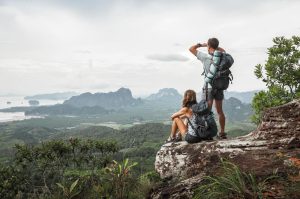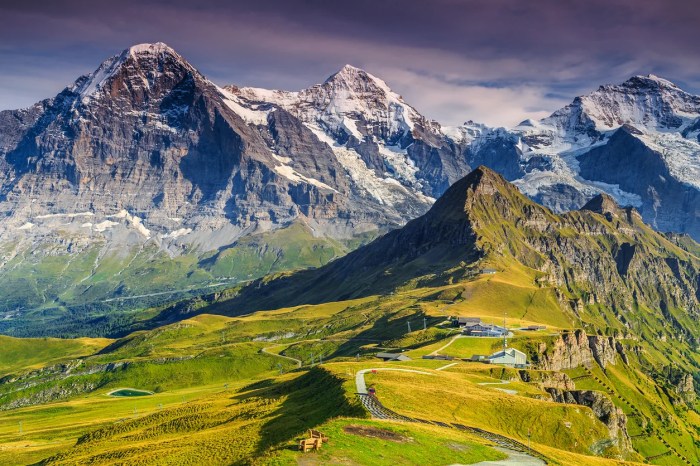
Embark on an unforgettable journey through the majestic Swiss Alps with this comprehensive adventure travel guide. From meticulously planned itineraries to essential gear recommendations and safety precautions, this guide equips you for an exhilarating hiking experience. Discover breathtaking trails, charming villages, and thrilling activities beyond the well-trodden paths, ensuring your Swiss Alps adventure is both rewarding and memorable.
This guide covers everything from visa requirements and transportation options to choosing the perfect hiking trail for your skill level and packing the right gear. We’ll explore diverse accommodation options, suggest delicious local cuisine, and offer insights into maximizing your adventure beyond hiking, including mountain biking and exploring cultural sites. We also provide valuable resources, including helpful apps, reliable websites, and essential travel gadgets to enhance your trip.
Introduction
Imagine standing atop a windswept peak, the crisp Alpine air filling your lungs, a panorama of snow-capped giants and emerald valleys stretching out before you. This is the promise of adventure hiking in the Swiss Alps – a journey into a land of breathtaking beauty, challenging trails, and unforgettable experiences. The raw, untamed beauty of this region, combined with well-maintained trails and charming mountain villages, creates a unique hiking experience unlike any other.This guide provides a comprehensive overview of planning and executing an unforgettable hiking adventure in the Swiss Alps.
We will delve into the best hiking regions, detail essential gear and preparation, and offer practical advice for navigating the trails and ensuring a safe and rewarding journey. We’ll explore various difficulty levels, from leisurely strolls to challenging multi-day treks, catering to adventurers of all experience levels.
Hiking Regions of the Swiss Alps
The Swiss Alps boast a diverse range of hiking terrains, each offering a unique experience. From the iconic Jungfrau region with its towering peaks and glacial landscapes to the gentler slopes of the Bernese Oberland, filled with charming villages and alpine meadows, there’s a perfect trail for every preference. The Engadine Valley, known for its stunning lakes and picturesque villages, provides a different perspective on Alpine hiking.
Each region offers distinct challenges and rewards, requiring different levels of preparation and experience.
Essential Gear and Preparation
Proper preparation is paramount for a successful and safe hiking trip in the Swiss Alps. This section will cover essential gear, including appropriate footwear, clothing for varying weather conditions, navigation tools (maps, compass, GPS), and first-aid supplies. We will also discuss the importance of physical fitness, acclimatization to altitude, and planning your itinerary meticulously, factoring in weather forecasts and trail conditions.
Failing to adequately prepare can significantly impact the enjoyment and safety of your adventure. For instance, sturdy, waterproof hiking boots are crucial for navigating uneven terrain and potentially wet conditions.
Navigating the Trails and Safety
Navigating the Swiss Alps requires awareness and preparedness. This section will address trail markings, understanding altitude sickness and its prevention, and recognizing potential hazards like sudden weather changes and wildlife encounters. We will also highlight the importance of informing someone of your hiking plans, carrying a communication device, and being aware of emergency procedures. Knowing how to use a map and compass, even in conjunction with a GPS device, is a valuable skill that can prevent getting lost in remote areas.
For example, always inform a trusted contact of your planned route and expected return time.
Choosing the Right Hike
The Swiss Alps cater to hikers of all abilities. This section will guide you in selecting a hike appropriate to your fitness level and experience. We will categorize hikes based on difficulty, distance, and elevation gain, providing detailed descriptions and recommendations for various trails. This will assist in selecting a route that offers a challenging yet safe and rewarding experience.
For example, beginners might start with shorter, lower-altitude hikes in well-maintained areas, gradually progressing to more challenging routes as their experience and fitness improve.
Planning Your Swiss Alps Hiking Trip
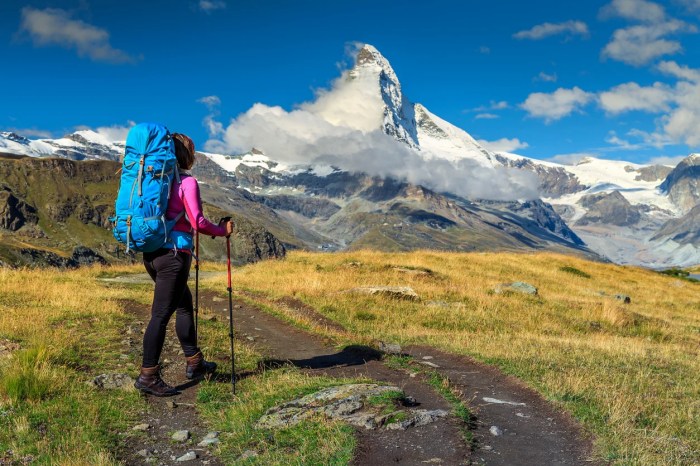
Embarking on a hiking adventure in the Swiss Alps requires careful planning to ensure a safe and enjoyable experience. This section Artikels the essential steps to take before you set off, covering everything from visa requirements to packing your backpack. Thorough preparation will allow you to fully immerse yourself in the breathtaking beauty of the Swiss mountains without unexpected setbacks.
Visa Requirements and Travel Insurance
Determining your visa requirements depends entirely on your nationality. Citizens of many countries within the Schengen Area can enter Switzerland visa-free for tourism purposes. However, individuals from other countries may need to obtain a visa well in advance of their trip. It’s crucial to check the specific visa requirements for your nationality on the official website of the Swiss embassy or consulate in your country.
Failure to obtain the necessary visa could result in being denied entry. Additionally, comprehensive travel insurance is highly recommended. This should cover medical emergencies, trip cancellations, lost luggage, and repatriation. Consider the level of coverage needed based on your planned activities and the length of your trip. A policy with emergency medical evacuation coverage is particularly important in a mountainous region like the Swiss Alps.
Transportation Options to the Swiss Alps
Reaching the Swiss Alps offers a variety of transportation choices, each with its own advantages and disadvantages. Flying into Zurich Airport (ZRH) is a common option, offering numerous international connections. From Zurich, you can access various train routes leading to the alpine regions. While flights might be quicker, they often incur higher costs, especially during peak season.
Alternatively, train travel is a scenic and efficient way to reach many alpine towns and villages. The Swiss railway system is renowned for its punctuality and efficiency, offering direct connections from major European cities. Train travel is often more expensive than budget airlines but provides a comfortable and environmentally friendly option. Driving offers flexibility, allowing you to explore at your own pace.
However, parking can be limited and expensive in popular hiking areas, and navigating mountain roads can be challenging. Budget-conscious travelers might consider budget airlines combined with regional trains or buses, a more affordable, though potentially longer, journey.
Essential Travel Documents and Packing Checklist
A well-organized checklist of essential documents and items is crucial for a smooth trip. Before departure, ensure you have your passport or national ID card, visa (if required), flight/train tickets, travel insurance details, and any necessary vaccination certificates. Additionally, it is recommended to make copies of these documents and store them separately from the originals. A packing list should include appropriate hiking boots, comfortable clothing suitable for varied weather conditions (layers are key!), a waterproof jacket and trousers, sunscreen, a hat, sunglasses, a first-aid kit, a map and compass or GPS device, a headlamp or flashlight, sufficient water bottles or hydration pack, and energy bars or snacks.
Remember to pack a reusable water bottle to minimize plastic waste and contribute to environmental sustainability. Don’t forget a Swiss Army Knife – a classic and invaluable tool for any hiker.
Choosing Your Hiking Trails
Selecting the perfect hiking trail in the Swiss Alps is crucial for a safe and enjoyable experience. The vast range of trails caters to all levels of experience and fitness, from leisurely strolls to challenging climbs. Careful consideration of your abilities and preferences will ensure you choose a trail that matches your capabilities and provides the desired level of challenge and reward.
Remember to always check weather conditions and trail closures before embarking on your hike.
The Swiss Alps offer a diverse range of hiking trails, categorized by difficulty, length, and scenic highlights. Difficulty levels are generally classified as beginner, intermediate, and expert, though individual fitness levels will also influence trail suitability. Trail lengths vary considerably, from short, easily manageable walks to multi-day treks requiring careful planning and preparation. Scenic highlights range from breathtaking alpine meadows and cascading waterfalls to panoramic views of snow-capped peaks and glistening lakes.
Swiss Alps Hiking Trail Categorization
The following table provides a snapshot of some popular trails, categorized by difficulty, length, and key features. Remember that these are estimations and actual experiences may vary depending on weather conditions and individual fitness levels.
| Trail Name | Difficulty | Length (approx.) | Key Features |
|---|---|---|---|
| Panoramaweg (Grindelwald) | Beginner | 3-4 hours | Stunning views of the Eiger, Mönch, and Jungfrau; relatively flat terrain; well-maintained path. |
| Five Lakes Walk (Zermatt) | Intermediate | 4-5 hours | Picturesque lakes (Stellisee, Grindjisee, etc.); moderate elevation gain; some steeper sections. |
| Tour du Mont Blanc (partial section) | Expert | Multiple days | High-altitude hiking; challenging terrain; spectacular mountain views; requires overnight stays in mountain huts. |
| Schynige Platte – Faulhornweg | Intermediate | 4-6 hours | Breathtaking views of Lake Thun and the surrounding mountains; varied terrain; well-maintained path with some steeper sections. |
| Bachalpsee Trail (Grindelwald) | Beginner to Intermediate | 2-3 hours | Iconic views of the Wetterhorn reflected in Bachalpsee; moderate elevation gain; mostly well-maintained path. |
Detailed Trail Descriptions
Choosing a trail depends heavily on your experience and physical fitness. The descriptions below highlight the unique characteristics and challenges of several popular trails.
The Panoramaweg in Grindelwald offers a relatively gentle introduction to alpine hiking, providing incredible views with minimal elevation gain. This makes it ideal for beginners or those looking for a relaxed hike with stunning scenery. The well-maintained path makes navigation straightforward.
In contrast, the Five Lakes Walk near Zermatt presents a more challenging experience. While the views are breathtaking, the moderate elevation gain and some steeper sections require a reasonable level of fitness. This trail is suitable for intermediate hikers who are comfortable with some inclines.
For experienced hikers seeking a true adventure, a section of the Tour du Mont Blanc offers an unforgettable, albeit demanding, experience. This high-altitude trek requires excellent physical fitness, appropriate gear, and careful planning, including overnight stays in mountain huts. The challenging terrain and stunning scenery make it a rewarding experience for seasoned hikers only.
Trail Selection Advice
Selecting the right trail hinges on a realistic assessment of your fitness level and hiking experience. Beginners should opt for shorter trails with minimal elevation gain and well-maintained paths, like the Panoramaweg. Intermediate hikers can tackle trails with moderate elevation changes and varied terrain, such as the Five Lakes Walk or Schynige Platte – Faulhornweg. Expert hikers, possessing strong physical fitness and experience with challenging terrain, can embark on longer, high-altitude treks, such as sections of the Tour du Mont Blanc.
Always prioritize safety. Check weather forecasts, trail conditions, and your own physical capabilities before setting out. Consider carrying appropriate gear, including sturdy footwear, layers of clothing, plenty of water, and a map and compass or GPS device.
Essential Gear and Packing List
Proper preparation is paramount for a safe and enjoyable hiking experience in the Swiss Alps. The unpredictable mountain weather necessitates packing versatile and high-quality gear. This packing list aims to equip you for various conditions, from sunny days to unexpected downpours and chilly evenings. Remember to adjust this list based on the specific trail’s difficulty and duration of your hike.
This section details the essential items for your Swiss Alps hiking adventure, categorized for clarity. We’ll also discuss the crucial role of proper footwear and a well-fitted backpack in ensuring comfort and safety.
Choosing Hiking Boots and Backpacks
Selecting the right hiking boots and backpack is crucial for comfort and safety. Inadequate footwear can lead to blisters, sprains, and other injuries, significantly impacting your hiking experience. Similarly, an improperly fitted backpack can cause discomfort and potentially lead to back problems.
Hiking boots should provide excellent ankle support, waterproof protection, and sufficient grip on various terrains. Consider boots with a stiff sole for stability on uneven surfaces and a breathable lining to prevent sweat buildup. Break in your boots before your trip to avoid discomfort. Backpacks should be appropriately sized for the duration of your hike and comfortably distribute the weight.
Look for adjustable straps and hip belts for optimal weight distribution. Consider features like hydration reservoirs and multiple compartments for organization.
Clothing
Layering is key to adapting to changing weather conditions. Pack clothing items that can be easily added or removed to regulate body temperature. This approach is much more efficient than relying on a single heavy garment.
- Moisture-wicking base layers (synthetic or merino wool): These pull sweat away from your skin, keeping you dry and comfortable.
- Insulating mid-layers (fleece or down jacket): Provide warmth without adding excessive bulk.
- Waterproof and windproof outer shell jacket and pants: Essential for protection against rain and wind.
- Hiking trousers or shorts (depending on the weather and trail): Choose durable and quick-drying materials.
- Warm hat and gloves: Even in summer, temperatures can drop significantly at higher altitudes.
- Sun hat and sunglasses: Protect yourself from the strong alpine sun.
- Hiking socks (wool or synthetic): Multiple pairs to change throughout the day.
Equipment
This section lists essential equipment items that will enhance your safety and comfort on the trail. Having these items will help you be prepared for various situations.
- High-quality hiking poles: Improve stability and reduce strain on your joints.
- Headlamp or flashlight with extra batteries: Essential for navigating in low-light conditions.
- Map and compass (or GPS device): Essential for navigation, even with a downloaded map application, to account for potential connectivity issues.
- First-aid kit: Include blister treatment, pain relievers, antiseptic wipes, bandages, and any personal medication.
- Sunscreen and lip balm with SPF protection: High-altitude sun is intense.
- Water bottles or hydration reservoir: Carry sufficient water, especially on longer hikes.
- Knife or multi-tool: Useful for various tasks.
- Snacks (energy bars, trail mix, dried fruit): Provide sustained energy throughout the hike.
- Waterproof backpack cover: Protect your gear from rain.
First-Aid Supplies
A well-stocked first-aid kit is crucial for dealing with minor injuries and emergencies. The specific contents should be tailored to your individual needs and the length and difficulty of your hike. Consider consulting a medical professional for advice on assembling a comprehensive kit.
- Blister treatment (moleskin, bandages)
- Pain relievers (ibuprofen, paracetamol)
- Antiseptic wipes
- Bandages (various sizes)
- Antihistamine cream or tablets
- Tweezers
- Safety pins
- Personal medications (if applicable)
Exploring Beyond the Trails
The Swiss Alps offer so much more than just hiking. While the trails are undoubtedly the heart of any Alpine adventure, branching out to explore other activities and cultural gems will enrich your experience and create lasting memories. This section delves into the diverse possibilities beyond the well-trodden paths, suggesting ways to integrate these activities seamlessly into your hiking itinerary.Exploring the region’s diverse offerings allows for a more holistic understanding of Swiss culture and landscape.
Whether you prefer adrenaline-pumping activities or quiet moments of cultural immersion, the options are plentiful and readily accessible from many popular hiking areas.
Mountain Biking in the Alps
Mountain biking provides a thrilling alternative or complement to hiking, offering stunning views from a different perspective. Numerous trails cater to various skill levels, from gentle rides along valley floors to challenging ascents and descents through alpine meadows and forests. The well-maintained trails are clearly marked, making navigation relatively straightforward. For instance, the region around Grindelwald offers a diverse range of mountain biking trails, ranging from family-friendly routes to expert-level downhill runs.
Rentals are easily available in most towns and villages.
Rock Climbing and Via Ferrata
For those seeking a more challenging physical activity, rock climbing and via ferrata routes offer incredible opportunities. Via ferrata, protected climbing routes equipped with steel cables and ladders, allow climbers of varying skill levels to ascend challenging rock faces. The experience combines the thrill of climbing with the safety of the fixed equipment. The Lauterbrunnen valley, for example, boasts several renowned via ferrata routes, offering breathtaking views and an unforgettable adventure.
Always ensure you have appropriate safety equipment and consider hiring a guide, especially for more challenging routes.
Charming Villages and Towns
The Swiss Alps are dotted with picturesque villages and towns, each with its unique charm and history. Taking time to explore these settlements provides a welcome break from hiking and offers a chance to experience local life. Interlaken, for example, is a vibrant town nestled between two lakes, offering a range of shops, restaurants, and activities. Smaller villages like Wengen, car-free and accessible only by train, offer a tranquil escape, allowing you to immerse yourself in traditional Swiss culture.
Cultural Attractions and Historical Sites
Many historical sites and cultural attractions are located near popular hiking areas. These sites provide a fascinating glimpse into the region’s rich past and heritage. For example, the medieval castles of Chillon and Bellinzona, both UNESCO World Heritage sites, are relatively close to several hiking trails and offer a captivating journey through time. Visiting these sites can be easily integrated into a hiking itinerary, providing a balance between physical activity and cultural exploration.
Integrating Activities into a Well-Rounded Adventure
Integrating diverse activities is key to a truly enriching Swiss Alps experience. A well-planned itinerary might involve a day of hiking, followed by an afternoon of mountain biking or a visit to a local village. Alternatively, a multi-day trek could be interspersed with rest days dedicated to exploring cultural attractions or enjoying other activities. Careful planning, considering travel times and energy levels, is crucial for a balanced and enjoyable adventure.
Travel Resources
Planning a Swiss Alps hiking adventure requires more than just packing your boots. Accessing the right resources can significantly enhance your experience, from finding the best deals to navigating the trails efficiently. This section Artikels valuable tools and information to help you plan and execute a smooth and memorable trip.
Reputable Travel Blogs and Websites
Several excellent online resources provide comprehensive information about hiking in the Swiss Alps. These platforms offer detailed trail descriptions, accommodation suggestions, and insights from experienced hikers. They often feature stunning photography and helpful tips for planning your trip. Examples include the official Swiss Tourism website (MySwitzerland.com), which provides a wealth of information on hiking routes, accommodation options, and transportation.
Many reputable travel blogs, such as The Broke Backpacker and Nomadic Matt, also feature detailed guides and articles about hiking in Switzerland, often offering a more personal and less commercial perspective. These blogs often include firsthand accounts from travelers, offering valuable insights not always found on official tourism websites.
Useful Travel Apps for Hiking
Mobile applications can greatly simplify planning and navigating your hiking trip. Navigation apps like Komoot and AllTrails offer detailed trail maps, elevation profiles, and user reviews. These apps often allow you to download maps for offline use, crucial when hiking in remote areas with limited or no cell service. Other useful apps include weather apps like AccuWeather or The Weather Channel, which provide real-time weather updates essential for planning your hiking itinerary and ensuring your safety.
Booking apps like Booking.com or Airbnb can help you secure accommodation in advance, while currency conversion apps simplify financial transactions.
Resources for Finding Travel Deals and Discounts
Securing affordable flights, accommodation, and activities is key to making your Swiss Alps hiking trip budget-friendly. Several websites and apps offer deals and discounts.
- Flights: Skyscanner, Google Flights, Kayak. These comparison websites allow you to search across multiple airlines and find the best prices.
- Accommodation: Booking.com, Airbnb, Hostelworld. These platforms offer a wide range of accommodation options, from budget-friendly hostels to luxurious hotels, allowing you to find something that suits your needs and budget.
- Activities: Viator, GetYourGuide. These platforms offer tours and activities at competitive prices, often with discounts for booking in advance.
Travel Insurance Options: Benefits and Drawbacks
Travel insurance is highly recommended for any international trip, especially one involving adventurous activities like hiking in the mountains. Different policies offer varying levels of coverage. Comprehensive policies typically cover medical emergencies, trip cancellations, lost luggage, and other unforeseen events. However, these policies usually come with higher premiums. Basic policies offer more limited coverage at a lower cost, but may not protect you against all possible scenarios.
It’s crucial to carefully review the policy details and choose a plan that aligns with your specific needs and risk tolerance. Consider factors such as the length of your trip, the activities you’ll be undertaking, and your personal health status when making your decision.
Essential Travel Gadgets and Their Uses
Several gadgets can significantly enhance your hiking experience.
- Portable Power Bank: Keeps your phone and other electronic devices charged, crucial for navigation and communication.
- Headlamp or Flashlight: Essential for navigating trails in low-light conditions.
- GPS Device (optional): Provides backup navigation capabilities, especially in areas with unreliable cell service.
- Water Filter or Purification Tablets: Ensures access to safe drinking water while hiking.
- First-Aid Kit: Contains essential supplies for treating minor injuries.
Illustrative Examples
Words can only partially capture the breathtaking beauty of the Swiss Alps. This section aims to paint a picture of the diverse landscapes and experiences awaiting you on your hiking adventure, using specific examples to inspire your own journey. From vibrant wildflowers to majestic peaks, the Alps offer a sensory feast for the hiker.
Scenic Hiking Trails and Viewpoints
The Swiss Alps boast a vast network of trails, each offering unique perspectives. The Eiger Trail, for instance, provides stunning views of the north face of the Eiger, a legendary and formidable rock face. Hikers can feel the scale of this imposing peak, its sheer cliffs and icy patches visible from a safe distance along the well-maintained path.
Another unforgettable experience is the hike to the Schynige Platte, accessible by cogwheel railway. From this vantage point, a panoramic vista unfolds, showcasing the Jungfrau massif, Lake Thun, and the Interlaken valley in all their glory. The vibrant green pastures speckled with chalets contrast beautifully with the snow-capped giants in the background. Finally, a hike around Lake Oeschinensee, nestled in a valley near Kandersteg, rewards hikers with turquoise waters reflecting the surrounding peaks, creating a truly magical atmosphere.
The clear water, surrounded by lush greenery and towering mountains, is a perfect spot for a picnic lunch.
Alpine Flora and Fauna
The diverse altitudes and microclimates of the Swiss Alps support a rich tapestry of life. At lower elevations, you might encounter lush meadows filled with wildflowers like edelweiss, the iconic symbol of Switzerland, its velvety white petals defying the harsh alpine environment. Higher up, hardy plants like alpine roses, with their vibrant pink blooms, cling to rocky outcrops.
Keep an eye out for the vibrant blue gentian, its intense colour a striking contrast against the muted tones of the mountains. Animal life is equally captivating. While spotting elusive chamois or ibex requires patience and a keen eye, their presence is felt in the landscape. Marmots, with their characteristic whistles, are more frequently sighted, often basking in the sun near their burrows.
Birds of prey, such as golden eagles, soar high above, their powerful silhouettes etched against the sky.
Sunrise/Sunset from a Mountain Peak
Imagine standing atop a peak like the Harder Kulm, overlooking Interlaken, as the sun begins its descent. The sky ignites in a breathtaking display of colour. Fiery oranges and reds blend seamlessly with soft pinks and purples, casting a warm glow over the snow-capped mountains. The textures of the clouds, from fluffy cumulus to wispy cirrus, are highlighted by the changing light.
The air is crisp and cool, carrying the scent of pine and wildflowers. The atmosphere is serene, a profound sense of peace and awe washing over you as the last rays of sunlight paint the landscape in hues of amber and gold, before finally fading into twilight, leaving behind a star-studded canvas.
Hiking the Swiss Alps is an experience that transcends mere travel; it’s a journey into the heart of breathtaking natural beauty and rich cultural heritage. This guide has aimed to provide you with the tools and knowledge necessary for a safe, enjoyable, and unforgettable adventure. Whether you’re a seasoned hiker or a first-timer, remember to embrace the challenge, respect the environment, and create memories that will last a lifetime amidst the stunning landscapes of the Swiss Alps.
Quick FAQs
What is the best time of year to hike in the Swiss Alps?
The best time is generally during the summer months (June-September) for optimal weather and trail accessibility. However, spring and autumn offer unique scenery and fewer crowds.
How much does a hiking trip to the Swiss Alps cost?
Costs vary greatly depending on travel style, duration, and activities. Budgeting $100-$300 per day is a reasonable estimate, but it can be higher or lower depending on your choices.
Are there any language barriers in the Swiss Alps?
Switzerland has four official languages (German, French, Italian, and Romansh). English is widely spoken in tourist areas, but learning a few basic phrases in the local language is always appreciated.
What should I do if I encounter wildlife on a trail?
Maintain a safe distance from all wildlife. Never approach or feed animals. If you encounter a potentially dangerous animal, make yourself appear large and slowly back away.