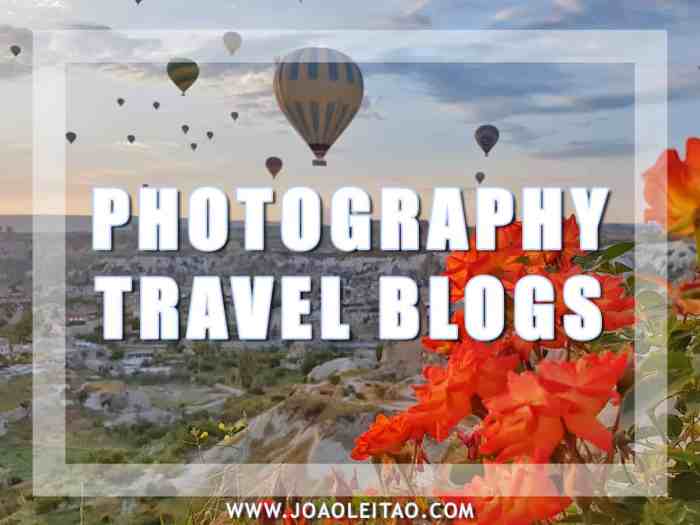
Capture breathtaking landscapes, vibrant cultures, and unforgettable moments. This exploration delves into the world’s most captivating destinations for photographers, offering insights into planning, essential gear, and techniques to elevate your travel photography. Whether you’re a seasoned professional or an enthusiastic amateur, discover hidden gems and iconic locations that will inspire your next photographic adventure.
From meticulously crafted itineraries to expert advice on maximizing photographic opportunities, this guide provides a comprehensive resource for photographers seeking to enhance their travel experiences through the lens. We’ll explore diverse photographic styles, essential equipment, and invaluable travel tips, ensuring your journey is as rewarding as the images you capture.
Top Travel Destinations for Photography
Choosing the perfect location for your next photography adventure can be overwhelming, given the sheer number of breathtaking spots across the globe. This guide highlights some of the best destinations, catering to various photographic styles and experience levels, from iconic landmarks to hidden gems. We’ll explore both well-known and lesser-known locations, providing insights into the ideal time to visit and the most captivating subjects to capture.
Top 10 Globally Renowned Destinations for Photography
The following table showcases ten globally renowned destinations, categorized by continent, each offering unique photographic opportunities. Consider these locations as starting points for planning your next photographic expedition.
| Destination | Continent | Best Time to Visit | Notable Photographic Subjects |
|---|---|---|---|
| Iceland | Europe | June-August (Midnight Sun) / September-October (Aurora Borealis) | Landscapes, waterfalls, glaciers, Northern Lights |
| Yellowstone National Park | North America | June-September | Geysers, hot springs, wildlife (bison, elk, wolves), landscapes |
| Serengeti National Park | Africa | July-October (Great Migration) | Wildlife (lions, elephants, zebras), landscapes, sunsets |
| Machu Picchu | South America | May-September (Dry Season) | Ancient ruins, mountain landscapes, cloud forests |
| Kyoto | Asia | Spring (cherry blossoms) / Autumn (fall foliage) | Temples, gardens, traditional architecture, street scenes |
| Antarctica | Antarctica | November-March (Summer) | Icebergs, penguins, seals, wildlife, landscapes |
| The Great Barrier Reef | Oceania | June-October (Dry Season) | Coral reefs, marine life, underwater photography |
| Provence, France | Europe | June-August | Lavender fields, vineyards, charming villages, architecture |
| New York City | North America | Year-round (different seasons offer different aesthetics) | Architecture, street photography, iconic landmarks |
| Petra, Jordan | Asia | October-May (avoid summer heat) | Ancient ruins, rock-cut architecture, desert landscapes |
Photography Styles Suited for Top Destinations
Each of the top ten destinations lends itself to specific photographic styles. Understanding these styles will help you plan your shots and equipment accordingly. For example, Iceland excels in landscape and astrophotography due to its dramatic landscapes and clear night skies. Yellowstone National Park is a haven for wildlife and landscape photography, offering diverse opportunities for capturing both majestic animals and breathtaking vistas.
The Serengeti is synonymous with wildlife photography, particularly during the Great Migration. Machu Picchu is ideal for architectural and landscape photography, capturing the ancient ruins against the backdrop of stunning mountain scenery. Kyoto provides a rich tapestry for street, architectural, and landscape photography, capturing the essence of Japanese culture and aesthetics. Antarctica is best known for wildlife and landscape photography, focusing on the unique fauna and icy landscapes.
The Great Barrier Reef is a prime location for underwater photography, capturing the vibrant coral and diverse marine life. Provence is perfect for landscape and architectural photography, capturing the beauty of the lavender fields and charming villages. New York City offers endless opportunities for street and architectural photography, capturing the energy and diversity of the city. Finally, Petra is a treasure trove for architectural and landscape photography, focusing on the ancient rock-cut city and surrounding desert.
Five Lesser-Known Destinations for Stunning Photography
Beyond the well-trodden paths, several lesser-known destinations offer exceptional photographic opportunities. These locations provide a chance to capture unique perspectives and escape the crowds.
These five locations offer a unique blend of photographic opportunities, away from the usual tourist hotspots. They showcase the diversity of photographic possibilities available across the globe.
- Socotra, Yemen:
- Unique alien-like flora and fauna, creating surreal landscapes.
- Dramatic coastal scenery with pristine beaches and towering cliffs.
- Opportunities for landscape, wildlife, and seascape photography.
- Lake Baikal, Russia:
- The world’s deepest and oldest lake, offering stunning icy landscapes in winter.
- Crystal-clear waters revealing unique underwater scenes.
- Opportunities for landscape, underwater, and wildlife photography (seals).
- Salar de Uyuni, Bolivia:
- The world’s largest salt flat, creating mesmerizing reflections and surreal landscapes.
- Unique opportunities for astrophotography under exceptionally clear skies.
- Opportunities for landscape and abstract photography.
- Fairy Pools, Isle of Skye, Scotland:
- Crystal-clear cascading waterfalls and pools in a mystical setting.
- Dramatic mountain landscapes and lush greenery.
- Opportunities for landscape, long-exposure, and water photography.
- Colca Canyon, Peru:
- Deeper than the Grand Canyon, offering breathtaking views and diverse landscapes.
- Opportunities to photograph condors in their natural habitat.
- Opportunities for landscape and wildlife photography.
Essential Gear for Photography Travel
Packing for a photography trip requires careful consideration of your destination, travel style, and photographic goals. Whether you’re backpacking through Southeast Asia or enjoying a luxury safari in Africa, the right equipment can make or break your experience. Choosing versatile gear that’s both high-performing and travel-friendly is key. This section will Artikel essential equipment and provide practical packing advice.
Essential Photography Gear for Various Travel Scenarios
The specific gear you need will vary depending on your travel style and photographic interests. However, a core set of equipment remains consistent across most trips. The table below Artikels essential gear, categorized by purpose, with brand recommendations and alternatives.
| Gear Item | Purpose | Brand Recommendations | Alternatives |
|---|---|---|---|
| Camera Body (e.g., DSLR or Mirrorless) | The heart of your system; captures the images. | Canon EOS R5, Sony a7R IV, Nikon Z7 II | Canon EOS 90D, Sony a6600, Fujifilm X-T4 (depending on budget and needs) |
| Lenses (at least two) | Capture different perspectives and focal lengths. A versatile zoom and a prime lens are ideal. | Canon EF 24-70mm f/2.8L II USM, Nikon AF-S NIKKOR 50mm f/1.4G | Sigma 24-70mm f/2.8 DG DN Art, Tamron 35-150mm f/2-2.8 Di III VXD |
| Tripod | Essential for sharp images in low light, long exposures, and stable video recording. | Manfrotto Befree, Gitzo Traveler | Joby GorillaPod (for lighter travel), smaller, less expensive tripods from brands like Vanguard or Amazon Basics. |
| Camera Bag | Protects your gear during transit. Choose a bag suited to your travel style. | Lowepro, Peak Design, Think Tank Photo | National Geographic, Osprey, or even a well-padded backpack. |
| Extra Batteries and Charger | Avoid running out of power, especially on longer trips. | Consider purchasing brand-name batteries for optimal performance. | Third-party batteries are available, but prioritize reputable brands to avoid damage to your camera. |
| Memory Cards (Multiple, High Capacity) | Store your precious images. Always carry backups. | SanDisk Extreme PRO, Lexar Professional | Kingston Canvas React Plus, other reputable brands. |
| Cleaning Kit | Keep your lenses and sensor clean for optimal image quality. | Rocket Blower, lens cleaning pen, microfiber cloths | Generic blower, microfiber cloths |
| Laptop or Tablet (Optional) | For image review, editing, and backup. | MacBook Pro, iPad Pro | Other laptops and tablets depending on budget and needs. |
Photography Equipment Packing Checklist
Proper packing is crucial to protect your valuable equipment. Consider using padded dividers and cases within your camera bag to prevent damage.
- Camera Body
- Lenses (with lens caps and filters)
- Tripod (consider a travel tripod for portability)
- Camera Bag (with rain cover)
- Extra Batteries and Charger
- Memory Cards (at least two)
- Cleaning Kit
- Laptop or Tablet (if needed)
- External Hard Drive (for backup)
- Cable Organizer
Travel Insurance for Photography Equipment
Comprehensive travel insurance is essential, particularly when carrying expensive photography equipment. Standard travel insurance policies often have limitations on equipment coverage. Look for policies that specifically cover loss, theft, or damage to photography gear, specifying its value. Some policies offer optional add-ons for higher coverage limits. Consider researching several providers and comparing coverage options before selecting a plan.
It’s advisable to obtain a detailed inventory of your equipment with serial numbers and purchase receipts for insurance claims.
Planning a Photography-Focused Trip
Planning a photography trip requires more than just booking flights and accommodation; it necessitates meticulous preparation to ensure you capture the best shots possible. A well-structured plan maximizes your time and minimizes wasted opportunities, allowing you to fully immerse yourself in the photographic experience. This involves careful research, logistical planning, and post-trip organization.
Steps Involved in Planning a Photography-Focused Trip
A successful photography trip hinges on thorough planning. The following steps provide a framework for creating a memorable and productive journey.
- Destination Research: Begin by identifying potential destinations based on your photographic interests (landscapes, wildlife, architecture, etc.). Research the best time to visit considering lighting conditions, weather patterns, and potential crowds. Consult online resources, photography blogs, and travel guides for insights from experienced photographers.
- Itinerary Development: Once you’ve chosen a destination, create a detailed itinerary. This should include specific locations you plan to photograph, estimated travel times, and allocated shooting time at each location. Factor in potential delays and allow for flexibility.
- Gear Checklist and Packing: Compile a comprehensive list of necessary photography gear, including lenses, cameras, tripods, filters, and cleaning supplies. Consider the climate and terrain when selecting appropriate clothing and accessories. Remember to pack extra batteries and memory cards.
- Accommodation and Transportation: Book accommodations that suit your needs and budget. Consider proximity to key shooting locations. Arrange transportation, whether renting a car, using public transport, or hiring a guide, based on your itinerary and destination.
- Permits and Regulations: Research any necessary permits or regulations for photography in your chosen locations, particularly if you plan to shoot in national parks or protected areas. Respect local customs and regulations.
- Backup and Storage: Implement a robust backup strategy for your photos. Use multiple memory cards, external hard drives, and cloud storage services to prevent data loss. Regularly back up your images throughout your trip.
- Post-Trip Organization: Upon returning, organize your photos, back them up securely, and begin editing and post-processing. Consider creating a photo book or online gallery to showcase your work.
Sample 7-Day Photography Itinerary: Iceland
This itinerary focuses on Iceland’s diverse landscapes, offering a balance of iconic locations and hidden gems. Times are estimates and can be adjusted based on personal preferences and weather conditions.
| Day | Location | Time Allocation | Focus |
|---|---|---|---|
| 1 | Blue Lagoon & Reykjavik | Half Day | Architectural photography, landscape photography at sunset. |
| 2 | Golden Circle (Thingvellir, Geysir, Gullfoss) | Full Day | Landscape photography, geothermal features. |
| 3 | South Coast (Seljalandsfoss, Skógafoss waterfalls, black sand beach) | Full Day | Waterfall photography, coastal landscapes. |
| 4 | Jökulsárlón glacier lagoon | Full Day | Glacier, iceberg, and wildlife photography. |
| 5 | Skaftafell Nature Reserve | Full Day | Hiking and landscape photography in diverse environments. |
| 6 | Eastfjords (scenic drives and charming villages) | Full Day | Coastal landscapes, village life photography. |
| 7 | Reykjavik & Departure | Half Day | Cityscape photography, souvenir shopping. |
Tips for Optimizing Travel Time and Maximizing Photography Opportunities
Efficient time management and strategic planning are crucial for maximizing your photography opportunities.
- Plan for Golden Hour: Utilize the golden hour (sunrise and sunset) for optimal lighting conditions. These periods offer soft, warm light ideal for landscape and portrait photography.
- Scout Locations in Advance: Research your locations beforehand and identify potential viewpoints and compositions. This saves valuable time on-site.
- Pack Light but Smart: Carry only essential gear to avoid unnecessary weight and fatigue. Prioritize versatility in your lens selection.
- Embrace Flexibility: Be prepared to adjust your itinerary based on weather conditions and unexpected opportunities. Sometimes the best photos arise from unplanned detours.
- Utilize Local Resources: Engage with locals and fellow photographers for tips and insights on hidden gems and optimal shooting times.
- Prioritize Subject Matter: Focus your efforts on the photographic subjects that most interest you. Don’t try to cram too much into your itinerary.
Travel Resources for Photographers
Finding the right resources can significantly enhance your photography travel experience, ensuring a smooth journey and maximizing your creative potential. This section explores key online and offline tools to help you plan and execute your photography-focused trips efficiently.
Popular Photography Travel Blogs
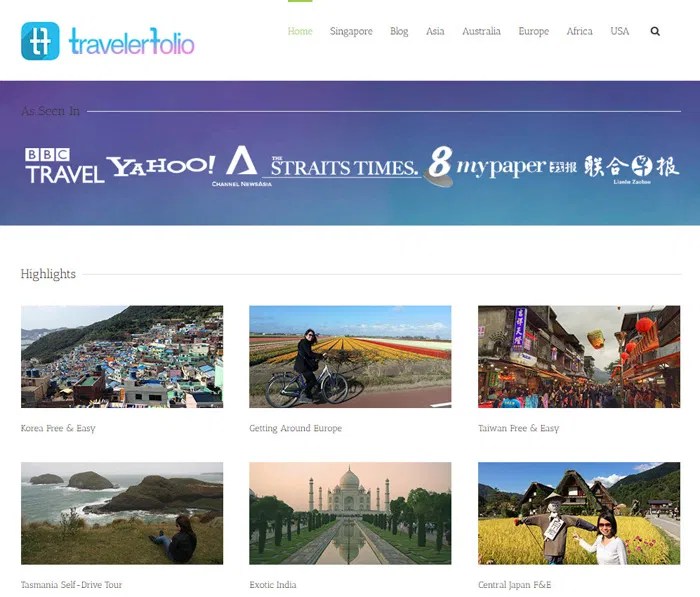
Choosing the right blog can provide inspiration, practical advice, and insider tips. Here’s a comparison of three popular options, highlighting their strengths and weaknesses.
- Digital Photography School: This blog boasts a vast library of articles covering various photography aspects, including travel photography. Strengths include its comprehensive coverage and beginner-friendly approach. However, its travel-specific content might be less focused than other blogs dedicated solely to travel photography.
- Strengths: Comprehensive photography tutorials, beginner-friendly, large community.
- Weaknesses: Travel photography content is not its primary focus, can feel less specialized.
- Capture the Atlas: This blog focuses specifically on travel photography, offering visually stunning articles featuring breathtaking locations and insightful tips. Its strengths lie in its visually appealing content and detailed location guides. However, it may be less suitable for photographers seeking technical advice on camera settings or post-processing.
- Strengths: Visually stunning imagery, detailed location guides, inspiring travel photography.
- Weaknesses: Less focus on technical aspects of photography, may not be suitable for all skill levels.
- Light Stalking: Known for its in-depth tutorials and photography challenges, Light Stalking occasionally features travel photography articles. Its strengths include high-quality technical advice and a strong community. However, its travel-specific content might be less frequent than on blogs dedicated exclusively to travel photography.
- Strengths: High-quality technical tutorials, strong community engagement, photography challenges.
- Weaknesses: Travel photography content is not consistently featured, less emphasis on location specifics.
Useful Travel Apps for Photographers
Mobile apps can streamline your travel planning and on-the-ground workflow. These five apps are particularly helpful for photographers.
- Adobe Lightroom Mobile: This app allows for on-the-go photo editing, organization, and sharing. You can quickly adjust settings, apply presets, and back up your images to the cloud. Its seamless integration with the desktop version is a significant advantage.
- Google Photos: Provides automatic backup and organization of your photos and videos. Its search functionality makes finding specific images a breeze. The ability to share albums easily is also beneficial for collaborating with others.
- SkyView Lite: This augmented reality app helps you identify constellations, planets, and satellites in the night sky. This is invaluable for astrophotographers planning night shots and determining optimal shooting locations.
- The Photographer’s Ephemeris (TPE): This app helps you plan your outdoor shoots by predicting the sun’s and moon’s position at any given time and location. It’s essential for calculating the golden hour, blue hour, and other optimal lighting conditions.
- PackPoint: This packing list app helps you create customized packing lists based on your destination, trip length, and activities. It’s particularly helpful for photographers who need to pack bulky equipment and accessories.
Finding Travel Deals for Photographers with Extra Luggage
Photographers often require extra baggage allowance due to their equipment. Several strategies can help you secure affordable travel deals while accommodating your gear.Consider booking flights with airlines that offer generous baggage allowances or purchase additional baggage weight upfront. Websites specializing in flight comparisons often display baggage fees, enabling you to factor these costs into your decision-making process. For accommodation, search for options that offer free baggage storage or larger rooms to comfortably accommodate your equipment.
Look for deals and discounts on booking websites that cater to photographers or travelers with specialized needs. Booking flights and accommodation well in advance often yields better prices, especially during peak seasons. Consider alternative travel options like using cargo services for particularly heavy equipment, especially for longer trips.
Travel Photography Techniques and Tips
Mastering travel photography involves more than just pointing and shooting; it’s about understanding the interplay of light, composition, and post-processing to create captivating images. This section delves into key techniques and tips to elevate your travel photography.
Light and Composition in Travel Photography
Understanding light is paramount. The golden hour, the period shortly after sunrise and before sunset, bathes scenes in a warm, soft light, ideal for landscapes and portraits. Imagine a sun-drenched Tuscan vineyard, the golden light illuminating the rolling hills and the rows of grapevines, casting long shadows that add depth and drama. Conversely, harsh midday sun can create strong contrasts and deep shadows, potentially washing out details.
A bustling Moroccan souk photographed at midday might show stark contrasts between brightly lit stalls and deeply shadowed alleyways, offering a different visual story. Compositional techniques like the rule of thirds—placing key elements off-center—and leading lines—using natural elements like roads or rivers to guide the viewer’s eye—can significantly enhance impact. Consider a photograph of a winding mountain road snaking through a valley; the road acts as a leading line, drawing the viewer’s gaze into the heart of the scene.
Effective Post-Processing Techniques for Travel Photographs
Post-processing isn’t about creating artificial realities; it’s about refining and enhancing what’s already there. Enhancing colors involves subtly adjusting saturation and vibrance to bring out the natural beauty of a scene. Imagine a vibrant coral reef; careful color adjustments can make the blues deeper, the reds more intense, and the greens more lush, reflecting the underwater paradise accurately.
Sharpening improves clarity and detail, especially in landscapes with distant elements. Consider a photograph of a snow-capped mountain range; sharpening can bring out the texture of the snow and the crispness of the peaks. Reducing noise, especially in low-light shots, helps maintain image quality. A nighttime shot of a city skyline, with its inherent graininess, can be significantly improved by noise reduction, revealing the intricate details of the cityscape.
Comparison of Photography Styles Suitable for Travel Photography
Documentary photography aims to capture the authentic essence of a place and its people, often focusing on candid moments and everyday life. A street photographer capturing the daily routines of people in a bustling market, portraying their interactions and emotions, embodies this style. Fine art photography, in contrast, prioritizes aesthetic expression and artistic vision, often employing techniques like long exposures or creative compositions to create evocative images.
Imagine a long-exposure photograph of a flowing waterfall, transforming the water into a smooth, ethereal curtain, showcasing the beauty of nature in an artistic way. Street photography captures spontaneous moments in public spaces, often focusing on human interaction and urban environments. A photograph of a candid moment between two strangers in a busy city square, capturing their fleeting connection, represents the essence of street photography.
Each style offers a unique perspective, allowing photographers to explore different facets of their travel experiences.
Related Travel Information
Planning a photography trip involves more than just packing your camera gear. A successful and enjoyable trip requires careful consideration of your personal comfort and safety, alongside your photographic goals. This section provides essential information to help you prepare for a smooth and rewarding travel experience.
Essential Travel Items
Packing appropriately for your destination is crucial for a comfortable trip. Overpacking can be cumbersome, while underpacking can lead to discomfort and unforeseen problems. The following list focuses on items beyond your photography equipment.
- Passport and Visas: Ensure your passport is valid for at least six months beyond your intended travel dates and obtain any necessary visas well in advance.
- Travel Documents: Make copies of your passport, visa, flight/train tickets, and travel insurance policy. Store these copies separately from the originals.
- Medications: Pack any prescription medications you need, along with a copy of your prescription. Consider carrying a small first-aid kit for minor injuries.
- Adapters and Converters: Check the voltage and plug type of your destination and bring appropriate adapters and converters for your electronic devices.
- Comfortable Clothing and Shoes: Pack versatile clothing suitable for the climate and activities planned. Comfortable walking shoes are essential, especially if you plan on doing a lot of exploring.
- Toiletries: Pack travel-sized toiletries to save space and comply with airline regulations. Consider refillable containers to minimize waste.
- Money and Cards: Carry a mix of cash and credit/debit cards. Inform your bank of your travel dates to avoid any issues with card usage.
- Basic Electronics: A portable charger, headphones, and a universal travel adapter are beneficial.
Types of Travel Insurance
Travel insurance offers crucial protection against unforeseen circumstances during your trip. The type of coverage you need depends on your travel style and planned activities.
- Basic Travel Insurance: This typically covers trip cancellations, medical emergencies, and lost luggage. It’s a good option for shorter trips with minimal risk.
- Comprehensive Travel Insurance: This provides broader coverage, including things like adventure activities, extreme sports coverage (often requiring a separate add-on), and personal liability. This is recommended for longer trips or those involving higher-risk activities.
- Backpacker’s Insurance: Designed for budget travelers, this often includes coverage for lost or stolen belongings, medical expenses, and emergency evacuation. It might have lower coverage limits than comprehensive plans.
- Adventure Travel Insurance: Specifically caters to travelers engaging in adventurous activities like hiking, climbing, or water sports. It often includes higher coverage limits for medical expenses and emergency rescue.
- Annual Multi-Trip Insurance: Ideal for frequent travelers, this provides coverage for multiple trips within a year. It offers cost-effectiveness compared to buying individual policies for each trip.
Useful Travel Gadgets
Technology can significantly enhance your travel experience. These gadgets can improve efficiency, safety, and overall enjoyment.
- Portable Power Bank: Keeps your devices charged on the go, especially useful during long days of exploring.
- Universal Travel Adapter: Eliminates the need for multiple adapters when traveling internationally.
- Noise-Cancelling Headphones: Provides peace and quiet on flights or in crowded areas, enhancing relaxation and focus.
- GPS Tracker: Ensures peace of mind, especially in unfamiliar areas, and can help locate lost luggage.
- Travel-Sized Water Purifier: Provides safe drinking water, reducing the risk of waterborne illnesses, especially beneficial in regions with questionable water quality.
Ultimately, the best travel destinations for photographers are those that ignite your passion and inspire your creativity. By carefully planning your trip, selecting the right gear, and employing effective techniques, you can transform your travel experiences into stunning visual narratives. Remember to embrace the unexpected, experiment with different styles, and most importantly, enjoy the journey.
FAQ Explained
What type of visa do I need for photography travel?
Visa requirements vary greatly depending on your nationality and destination. Check the embassy or consulate website of your intended destination for the most up-to-date and accurate information.
How can I protect my expensive camera equipment from theft?
Use a sturdy camera bag, consider travel insurance with equipment coverage, and be mindful of your surroundings. Avoid displaying expensive equipment openly and utilize hotel safes whenever possible.
What are some good resources for finding photography tours?
Many travel companies specialize in photography tours. Search online for “photography tours [destination]” to find options. Check review sites for feedback before booking.
How do I deal with challenging weather conditions while photographing?
Prepare for varied weather by packing appropriate clothing and protective gear for your equipment. Learn to utilize different lighting conditions creatively, and consider postponing shoots if conditions are excessively dangerous.


