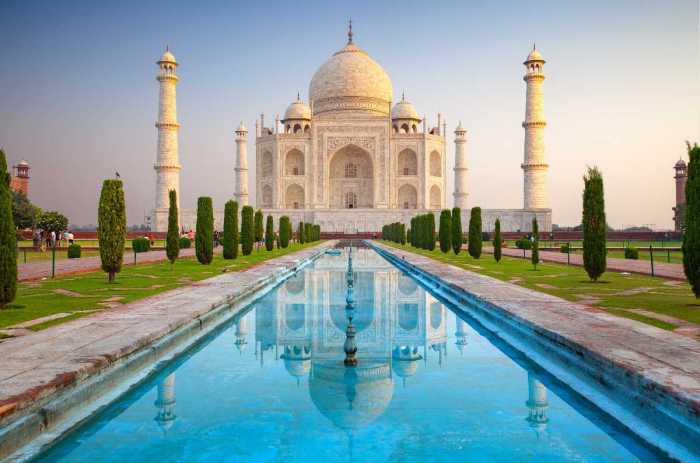
Cultural travel offers a unique opportunity to delve into the heart of diverse societies, experiencing traditions, history, and artistry firsthand. Unlike adventure or relaxation travel, it emphasizes immersion in local customs, understanding different perspectives, and appreciating the unique character of each destination. This exploration goes beyond sightseeing; it’s about forging connections with communities, learning from their stories, and contributing to the preservation of their cultural heritage.
This journey will examine the defining characteristics of cultural destinations, highlighting both renowned and lesser-known locations worldwide. We’ll delve into the economic and social impacts of cultural tourism, emphasizing the importance of responsible travel practices. Finally, we’ll provide practical advice for planning an enriching and respectful cultural travel experience.
Experiencing Cultural Travel Destinations
Embarking on a culturally immersive journey requires careful planning and consideration beyond simply booking flights and hotels. A successful trip hinges on understanding and respecting the local culture, navigating practicalities efficiently, and maximizing the experience through thoughtful preparation. This section delves into the practical aspects of planning and executing a culturally enriching travel experience.
Accommodation Choices for Cultural Immersion
Choosing accommodation plays a crucial role in shaping your cultural experience. Staying in locally owned guesthouses or boutique hotels often provides a more authentic and intimate interaction with the local community than large international chains. Consider the location; proximity to cultural sites and public transport can significantly impact your daily schedule and the overall experience. For example, staying in a traditional Ryokan in Kyoto, Japan, offers a chance to experience the unique Japanese hospitality and architecture firsthand, unlike staying in a modern hotel outside the city center.
Factors like budget, desired level of comfort, and access to amenities should also be carefully weighed.
Transportation Options and Considerations
Efficient and culturally appropriate transportation is essential. Researching local transportation options before your trip is vital. This could range from utilizing public transport like trains and buses (often the most cost-effective and environmentally friendly option) to employing ride-hailing services or taxis. Understanding local traffic patterns and customs, such as peak hours or preferred modes of transport, can save you time and frustration.
In Kyoto, for instance, the extensive and efficient public transportation system, including buses and the JR lines, makes navigating the city relatively easy. Consider purchasing a travel pass for cost savings if you plan on extensive travel within the region.
Navigating Local Etiquette and Customs
Respecting local customs and etiquette is paramount. Researching common cultural norms and practices before your trip is crucial to avoiding unintentional offense. This includes understanding appropriate greetings, dining etiquette, dress codes, and social interactions. For example, bowing is a common greeting in Japan, and removing your shoes before entering homes or certain establishments is customary. Learning a few basic phrases in the local language is also a gesture of respect and can significantly enhance your interactions with locals.
Observing the behavior of locals and following their lead can also provide valuable insights into appropriate conduct.
Sample Itinerary: A Week in Kyoto, Japan
This sample itinerary focuses on a balance of cultural immersion and relaxation:
| Day | Activity | Notes |
|---|---|---|
| 1 | Arrival in Kyoto; Check into Ryokan; Explore Gion district | Experience traditional architecture and tea houses. |
| 2 | Visit Fushimi Inari Shrine; Wander through Arashiyama Bamboo Grove | Iconic landmarks showcasing natural beauty and spirituality. |
| 3 | Kiyomizu-dera Temple; explore Higashiyama district | Explore traditional wooden structures and stunning views. |
| 4 | Day trip to Nara; visit Todai-ji Temple and Nara Park | See giant Buddha statue and friendly wild deer. |
| 5 | Golden Pavilion (Kinkaku-ji); Ryoan-ji Temple (Zen Garden) | Experience contrasting styles of Japanese architecture and gardens. |
| 6 | Nishiki Market; Cooking class | Immerse yourself in local cuisine and learn to prepare traditional dishes. |
| 7 | Departure | Reflect on your cultural journey. |
Utilizing Technology for Enhanced Cultural Experiences
Technology can significantly enhance your cultural travel experience. Translation apps can overcome language barriers, allowing for smoother communication with locals. Navigation apps like Google Maps or Citymapper can help you efficiently navigate unfamiliar cities and find hidden gems. Cultural tourism apps can provide detailed information about historical sites, museums, and local events. Using online resources to book accommodations, transportation, and tours can often lead to better deals and convenient planning.
Remember to be mindful of data usage and roaming charges when using technology abroad.
Ultimately, embracing cultural travel is about more than just ticking off destinations on a bucket list; it’s about fostering cross-cultural understanding, supporting local communities, and enriching one’s own life through meaningful experiences. By engaging responsibly and respectfully, we can ensure that these destinations thrive for generations to come, preserving their unique cultural heritage for future travelers to discover and appreciate.
Questions and Answers
What’s the difference between cultural and historical tourism?
While often overlapping, cultural tourism encompasses a broader range of experiences. Historical tourism focuses primarily on the past, while cultural tourism includes aspects of present-day life, traditions, and art forms.
How can I minimize my environmental impact while traveling culturally?
Choose eco-friendly accommodations, support local businesses, reduce waste, use public transport or walk when possible, and respect natural environments.
Are there any safety concerns specific to cultural travel?
Research your destination thoroughly, be aware of local customs and laws, and take standard safety precautions. Consider travel insurance that covers medical emergencies and trip interruptions.
How do I choose a culturally appropriate gift for a local person?
Avoid mass-produced souvenirs. Look for locally made crafts or items that reflect the region’s culture. If unsure, a small, thoughtful gift like tea or local produce is usually well-received.


