Journey beyond the well-trodden tourist paths and discover the captivating allure of Japan’s hidden gems. This comprehensive travel guide unveils a curated selection of lesser-known destinations, rich in cultural significance and historical depth. Prepare to be enchanted by unique experiences, from immersing yourself in traditional crafts to savoring authentic culinary delights in secluded villages. We’ll equip you with practical travel information, budget considerations, and a detailed itinerary to ensure a seamless and unforgettable adventure.
This guide provides a structured exploration, beginning with an overview of five unique destinations, followed by a deep dive into immersive cultural experiences available in these locations. We then cover essential practicalities, including visa requirements, accommodation options, and budget planning. Finally, we’ll provide a sample itinerary, resources for finding deals, and a comprehensive packing list to help you plan your own personalized journey.
Unveiling Japan’s Hidden Gems
|
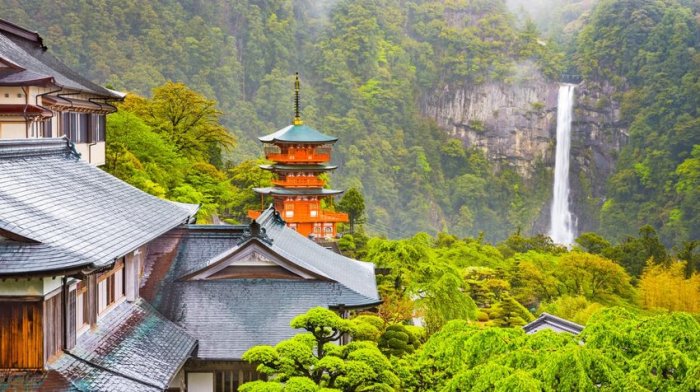
Image Description: A vibrant photograph showcasing a serene, moss-covered Japanese temple nestled amidst lush bamboo forest. Sunlight filters through the leaves, creating a dappled effect on the ancient wooden structures. The image evokes a sense of tranquility and mystery, hinting at the untouched beauty awaiting discovery in Japan’s less-traveled corners. The overall color palette is a calming blend of greens, browns, and soft golds. |
Beyond the neon lights of Tokyo and the iconic beauty of Kyoto lies a Japan waiting to be unveiled. This guide delves into the captivating realm of Japan’s hidden gems, offering a curated selection of lesser-known destinations that promise an authentic and unforgettable experience. Forget the crowded tourist trails; prepare to discover the soul of Japan in its quieter, more intimate corners. This article will explore several unique regions and activities, providing practical information and insights to help you plan your journey. We will navigate through charming countryside towns, uncover ancient traditions, and immerse you in the rich cultural tapestry that defines Japan’s less-explored landscapes. Get ready for an adventure off the beaten path! |
Exploring the Shikoku Pilgrimage Route
The 88-temple pilgrimage route on the island of Shikoku offers a unique blend of spiritual exploration and natural beauty. This ancient route, spanning hundreds of kilometers, provides a deeply immersive cultural experience for those willing to undertake the journey, either partially or in its entirety.
Walking sections of the route allows for intimate encounters with local communities and breathtaking scenery. Each temple possesses its own unique history and architectural style, reflecting centuries of religious devotion. While the entire pilgrimage is a significant undertaking, shorter sections can be easily integrated into a broader travel itinerary. Many temples offer lodging for pilgrims, providing a truly authentic experience.
Discovering the Beauty of the Noto Peninsula
Located on the western coast of Honshu, the Noto Peninsula is a region of outstanding natural beauty, characterized by rugged coastlines, charming fishing villages, and traditional crafts. Its relative isolation has helped preserve its unique cultural heritage and pristine environment.
The peninsula offers a variety of activities, from exploring traditional Wada houses in Shirakawa-go (a UNESCO World Heritage site, though technically outside the Noto Peninsula, its proximity makes it a worthy addition to any trip to the region) to enjoying fresh seafood at local restaurants and hiking along dramatic cliff faces. The area’s remoteness ensures a peaceful and tranquil experience, far removed from the hustle and bustle of larger cities.
The Tranquility of the Japanese Alps
While the Japanese Alps are not entirely unknown, they offer a wealth of opportunities beyond the popular hiking trails. This mountainous region provides a stunning backdrop for exploring remote villages, discovering hidden hot springs, and immersing oneself in the serene beauty of nature.
Beyond the well-trodden paths, there are numerous opportunities for secluded hiking, allowing for intimate encounters with the diverse flora and fauna of the region. Many smaller onsen towns offer a peaceful retreat, providing a chance to relax and rejuvenate in natural hot springs, far from the crowds of more popular destinations. The region’s diverse landscapes, ranging from alpine meadows to dense forests, offer a variety of activities to suit all fitness levels.
Off-the-Beaten-Path Destinations
Japan, renowned for its bustling cities and iconic landmarks, also harbors a wealth of hidden gems waiting to be discovered. Venturing beyond the well-trodden tourist trails reveals a different side of Japan, rich in unique cultural experiences and historical significance. This section highlights five such destinations, offering a glimpse into the country’s less-explored corners. Each location provides a distinct perspective on Japanese history, tradition, and natural beauty.
Five Unique and Lesser-Known Destinations in Japan
The following table details five off-the-beaten-path destinations, showcasing their key attractions and accessibility. These locations offer a diverse range of experiences, from exploring ancient castles to immersing oneself in serene natural landscapes.
| Destination Name | Location | Key Attractions | Transportation Details |
|---|---|---|---|
| Shirakawa-go | Gifu Prefecture, Honshu | World Heritage Gassho-style farmhouses, stunning mountain scenery, winter illuminations. These unique houses, with their steeply pitched roofs, are remarkably well-preserved examples of traditional rural architecture. | Accessible by bus from Takayama or Kanazawa. Consider renting a car for greater flexibility in exploring the surrounding area. |
| Ine no Funaya | Kyoto Prefecture, Honshu | Unique boat houses built directly into the hillside along the coast, offering a picturesque fishing village experience. The houses, built directly into the water, are a testament to the ingenuity of the local fishermen. | Reachable by bus from Kyoto City, followed by a short walk to the village. |
| Yakushima Island | Kagoshima Prefecture, Kyushu | Ancient cedar forests, including the Jōmon Sugi (a cedar tree estimated to be over 7,000 years old), diverse flora and fauna, hiking trails. The island’s unique ecosystem is a UNESCO World Heritage Site. | Accessible by ferry from Kagoshima City. Local buses and taxis are available on the island. |
| Kinosaki Onsen | Hyogo Prefecture, Honshu | Seven public bathhouses (sento), traditional wooden architecture, scenic hot springs, opportunities for relaxing and enjoying the local culture. The town itself is exceptionally well-preserved, creating a tranquil atmosphere. | Accessible by train from Kyoto or Osaka. |
| Naoshima Island | Kagawa Prefecture, Shikoku | Contemporary art museums (Chichu Art Museum, Benesse House Museum), art installations scattered throughout the island, beautiful coastal scenery. The island is a unique blend of nature and modern art. | Accessible by ferry from Takamatsu City. Bicycles are a popular mode of transportation on the island. |
Immersive Cultural Experiences
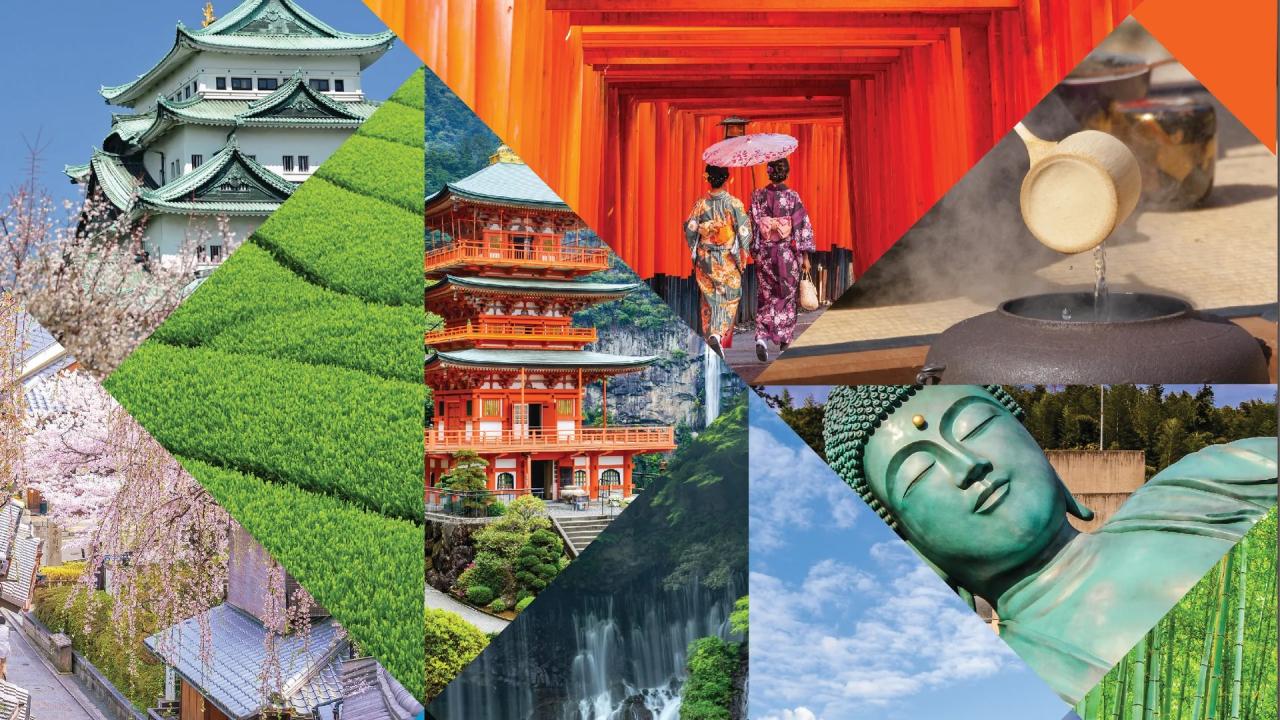
Japan’s hidden gems offer a wealth of opportunities to delve into the country’s rich cultural tapestry, far removed from the throngs of tourists in major cities. Experiencing these traditions firsthand provides a deeper understanding and appreciation for Japanese history, artistry, and way of life. Engaging with local communities and participating in authentic cultural practices offers an unforgettable travel experience.Beyond the well-trodden tourist paths, opportunities abound to immerse oneself in unique cultural expressions.
These experiences are not merely fleeting encounters; they offer a genuine connection with the heart of Japanese culture, creating lasting memories. The following examples showcase the depth and variety available to the adventurous traveler.
Traditional Crafts Workshops
Participating in a traditional crafts workshop provides a hands-on experience with Japanese artistry. These workshops, often located in rural villages, allow visitors to learn techniques passed down through generations. The cultural significance lies in understanding the meticulous detail and dedication involved in creating these objects, often imbued with symbolic meaning. Many workshops offer instruction in pottery, woodblock printing, or weaving, providing a tangible connection to Japan’s artistic heritage.
- Pottery in Shigaraki, Shiga Prefecture: Learn the ancient techniques of creating raku-yaki pottery, known for its rustic beauty and unique firing process. Expect a hands-on experience, getting your hands dirty and learning about the history of this specific pottery style. Workshops typically last several hours and include all necessary materials. Pre-booking is advisable, especially during peak seasons.
- Woodblock Printing in Kyoto: Discover the intricate art of creating ukiyo-e prints, learning about the tools, techniques, and history of this iconic Japanese art form. Workshops may involve designing your own print or recreating a classic design. Expect a detailed explanation of the process, from carving the blocks to printing the final image. Workshops vary in length and cost, so research beforehand.
- Textile Weaving in Odate, Akita Prefecture: Learn the traditional techniques of weaving using natural materials like silk or hemp. This experience provides insight into the history of textile production in Japan and the cultural significance of specific patterns and designs. Workshops may focus on specific techniques or allow for the creation of a small textile piece to take home. Many workshops require advance booking and may have language limitations.
Local Festivals and Events
Attending a local festival offers an unparalleled glimpse into the heart of Japanese community life. These festivals, often tied to specific agricultural cycles or religious practices, are vibrant celebrations filled with traditional music, dance, food, and processions. The cultural significance is immense, reflecting deeply held beliefs and community bonds. Participating involves immersing oneself in the atmosphere, engaging with locals, and experiencing a unique aspect of Japanese culture rarely seen by tourists.
- Nebuta Matsuri in Aomori (August): Witness the spectacular parade of giant, illuminated floats depicting historical figures and mythical creatures. The vibrant colours, energetic music, and enthusiastic crowds create an unforgettable atmosphere. Be prepared for large crowds and plan your accommodation well in advance. Learn a few basic Japanese phrases to enhance your interactions with locals.
- Setsubun Festivals (February): Participate in the ritual of throwing roasted soybeans to ward off evil spirits. This is a fun and interactive way to engage with a traditional Japanese custom. Many temples and shrines hold Setsubun events, offering a glimpse into the spiritual side of Japanese culture. Check local listings for specific dates and times.
- Shinto Shrine Festivals (Various Locations, Various Times): Explore the diverse range of Shinto festivals celebrated throughout Japan. These festivals often involve traditional dances, music, food stalls, and prayers. Research local festivals in the areas you are visiting to discover unique and authentic celebrations. Respectful attire and behaviour are essential when visiting shrines.
Unique Culinary Experiences
Beyond sushi and ramen, Japan’s hidden gems offer a diverse range of culinary experiences reflecting regional specialties and local traditions. These experiences are not only about the taste but also about understanding the cultural significance of food and the ingredients used. Many dishes are rooted in local agricultural practices and reflect the region’s history and environment. Participating in a cooking class or enjoying a traditional Kaiseki meal provides a deeper appreciation for Japanese cuisine.
- Kaiseki Dinner in a Traditional Ryokan (Inn): Experience a multi-course Kaiseki meal, a refined Japanese haute cuisine showcasing seasonal ingredients and artistic presentation. This is a luxurious experience offering a taste of Japanese culinary artistry and hospitality. Reservations are essential, often weeks or months in advance. Expect a high price point, reflecting the quality of ingredients and service.
- Cooking Class Focusing on Regional Specialties: Learn to prepare local dishes using traditional techniques and ingredients. This interactive experience provides a deeper understanding of Japanese food culture and allows you to recreate the dishes at home. Many cooking classes are available throughout Japan, focusing on various regional cuisines. Check online for availability and book in advance.
- Local Farmers’ Markets: Explore local farmers’ markets to sample regional produce and interact with farmers. This is a great way to discover unique ingredients and learn about local agricultural practices. Farmers’ markets are typically held on specific days of the week; check local listings for schedules and locations. Engage with the farmers to learn more about the produce and its origins.
Practical Travel Information
Planning a trip to Japan to explore its hidden gems requires careful consideration of practicalities. This section provides essential information to ensure a smooth and enjoyable journey, focusing on visa requirements, currency exchange, transportation, helpful apps and gadgets, and navigating Japanese customs. Understanding these elements will significantly enhance your overall travel experience.
Visa Requirements
Japanese visa requirements vary depending on your nationality and the purpose of your visit. Most nationalities require a visa for stays exceeding 90 days for tourism. For shorter tourist stays, many nationalities are granted visa-free entry or can obtain a visa on arrival. It is crucial to check the specific requirements for your citizenship well in advance of your travel dates through the official website of the Japanese embassy or consulate in your country.
Failure to obtain the necessary visa before your departure could result in being denied entry into Japan. The application process usually involves completing an application form, providing supporting documents like proof of accommodation and financial means, and potentially attending an interview.
Currency Exchange
The official currency of Japan is the Japanese Yen (JPY). It’s advisable to exchange currency before arriving in Japan, although it’s possible to exchange currency at airports and banks throughout the country. Credit cards are widely accepted in major cities and tourist areas, but smaller establishments might prefer cash. ATMs are readily available, and many are compatible with international cards, though fees may apply.
Consider using your bank’s ATM network for lower fees, and notify your bank of your travel plans to avoid any issues with card usage abroad. For best exchange rates, research different exchange options and compare fees beforehand.
Local Transportation
Japan boasts an incredibly efficient and extensive public transportation system. High-speed Shinkansen (bullet trains) connect major cities, while local trains, buses, and subways provide access to even the most remote areas. Purchasing a Japan Rail Pass can be cost-effective for extensive travel across the country, especially if you plan on using the Shinkansen frequently. Within cities, navigating by subway and local trains is straightforward, with clear signage and announcements (often in English).
Consider purchasing a Suica or Pasmo card for easy and contactless payment on public transport in major metropolitan areas. These rechargeable cards can be used on trains, buses, and even some shops and vending machines. Taxis are available but can be expensive, particularly for longer distances.
Recommended Travel Apps and Gadgets
Several apps and gadgets can significantly enhance your Japanese adventure. Navigation apps like Google Maps are invaluable, providing detailed maps and public transport schedules, even offline. A pocket wifi router or a local SIM card with data will ensure you stay connected. Translation apps, such as Google Translate, are extremely useful for overcoming language barriers, and a phrasebook can be a handy supplement.
A portable charger is essential, given the frequent use of smartphones and other electronic devices. Consider bringing a universal adapter, as Japanese outlets differ from those in many other countries.
Navigating Local Customs and Etiquette
Japanese culture places a high value on politeness and respect. Bowing is a common greeting, and removing your shoes when entering homes, temples, and some restaurants is customary. Public spaces are generally kept clean and quiet; loud conversations and littering are frowned upon. Queuing is essential, and respecting personal space is important. Learning basic Japanese phrases, such as “arigato” (thank you) and “sumimasen” (excuse me), will be appreciated and enhance your interactions with locals.
Being mindful of these customs will contribute to a more positive and respectful travel experience.
Accommodation and Budget Considerations
Choosing the right accommodation is crucial for a comfortable and memorable trip to Japan’s hidden gems. Your choice will significantly impact your overall budget, and luckily, options cater to a wide range of preferences and spending plans. From traditional Japanese inns to modern budget-friendly hostels, you’ll find a place to rest your head that suits your style and financial comfort.Finding accommodation in less-visited areas may require more advanced booking, particularly during peak seasons.
It’s advisable to research and reserve your lodging well in advance, especially if you’re travelling during popular holidays or festivals. This will also allow you to compare prices and amenities more effectively.
Accommodation Types and Price Ranges
The cost of accommodation in Japan’s hidden gems varies considerably depending on the type of lodging, location, and season. Generally, you can expect to find a wide range of options to fit different budgets.
- Traditional Ryokans (Japanese Inns): These offer a truly immersive cultural experience. Expect to pay ¥10,000-¥30,000 per night or more, depending on the location, amenities (like private onsen), and the size of the room. This price range reflects a stay in a more rural setting; Ryokans in more popular areas may be considerably more expensive. A typical Ryokan features tatami mat floors, futon bedding, and often includes a traditional Kaiseki dinner.
- Minshuku (Family-run Guesthouses): These offer a more homely and affordable alternative to Ryokans, typically costing ¥5,000-¥15,000 per night. Minshuku provide a more personal experience, often with the opportunity to interact with the family running the establishment. They usually offer simple but clean rooms.
- Business Hotels: These are prevalent in many smaller towns and cities, offering comfortable and functional rooms at a more affordable rate. Prices generally range from ¥6,000-¥12,000 per night. Amenities are usually basic but reliable, focusing on cleanliness and convenience.
- Hostels: Hostels are an excellent budget-friendly option, particularly for solo travellers or those on a tight budget. Expect to pay ¥2,000-¥5,000 per night for a dorm bed, while private rooms may cost more, ranging from ¥6,000 upwards. Hostels are a great way to meet fellow travellers.
- Airbnb and Vacation Rentals: These offer a variety of options, from apartments to traditional houses, with prices varying greatly depending on location and size. You can find options ranging from ¥5,000 to well over ¥20,000 per night, offering flexibility and more space than hotels. Be sure to read reviews carefully.
Budgeting for Different Trip Durations
Budgeting for your trip will depend on your travel style and the duration of your stay.
- Short Trip (3-5 days): A budget of ¥50,000-¥150,000 should cover accommodation, food, and some activities for a short trip, depending on your chosen accommodation and dining choices. This assumes a balance of budget and mid-range options.
- Medium Trip (7-10 days): For a longer trip, you’ll need a budget of approximately ¥100,000-¥300,000 or more, again depending on your spending habits. This could include a mix of accommodation types and dining experiences.
- Extended Trip (14+ days): For an extended stay, budgeting ¥200,000-¥600,000 or more is advisable. This allows for greater flexibility and exploration of different regions, while potentially including more luxurious accommodation options on occasion.
Note: These are estimates, and actual costs may vary depending on your travel style, the specific destinations you choose, and the time of year you travel. Always factor in additional costs for transportation, food, activities, and souvenirs.
Travel Deals and Resources
Planning a trip to Japan, especially to uncover its hidden gems, requires careful budgeting. Fortunately, numerous resources and strategies can help you secure affordable travel arrangements and maximize your yen. This section explores options for finding travel deals, comparing travel insurance, and utilizing helpful online resources to plan your adventure.
Finding Travel Deals and Discounts
Several websites and agencies specialize in finding discounted flights and accommodation. Websites like Skyscanner, Google Flights, and Momondo allow you to compare prices from various airlines and travel agencies, often uncovering significant savings. Consider booking flights and accommodation well in advance, particularly during peak seasons, to secure the best rates. Travel agencies specializing in Japan, such as those focusing on niche travel experiences, may also offer exclusive deals and packages.
Furthermore, subscribing to newsletters from airlines and hotels can provide alerts on flash sales and limited-time promotions. Keep an eye out for seasonal discounts and off-peak travel opportunities to further reduce costs.
Travel Insurance Options
Choosing the right travel insurance is crucial for protecting yourself against unexpected events. Policies vary widely in coverage, so careful comparison is essential. Consider factors like medical expenses, trip cancellations, lost luggage, and emergency repatriation. Some policies offer more comprehensive coverage, including adventure activities, while others may have limitations. For example, World Nomads and Allianz Global Assistance are popular options offering varying levels of coverage, allowing travelers to select a plan that best suits their needs and budget.
It’s vital to carefully review the policy details before purchasing to ensure it aligns with your itinerary and anticipated activities. Comparing policies from multiple providers is highly recommended to find the best value for your money.
Recommended Travel Blogs and Websites
Many online resources cater specifically to travelers seeking off-the-beaten-path experiences in Japan. Blogs such as The Blonde Abroad and Nomadic Matt often feature articles on lesser-known destinations and unique cultural experiences. Websites like Japan Guide and JNTO (Japan National Tourism Organization) provide comprehensive information on various aspects of travel in Japan, including practical tips and hidden gems. These resources can supplement your research and help you plan a truly immersive and unforgettable trip.
Utilizing a combination of these resources, along with local guides and forums, can help you discover hidden gems and tailor your itinerary to your specific interests.
Essential Packing List
Packing for a trip to explore Japan’s hidden gems requires careful consideration of the varied climates and activities you might encounter. This list prioritizes versatility and practicality, ensuring you’re prepared for anything from bustling city streets to serene mountain trails. Remember to check the specific weather forecast closer to your travel dates and adjust accordingly.
The items listed below are categorized for easy reference. Remember that this is a suggestion, and you should adapt it based on your personal needs and the length of your trip.
Clothing
Choosing versatile clothing items is key to efficient packing. Opt for layers that can be easily mixed and matched to suit changing weather conditions.
- Lightweight, quick-drying shirts (3-4): Merino wool or synthetic materials are ideal for wicking away moisture and resisting odors.
- Long-sleeved shirts (2): Offer sun protection and added warmth in cooler evenings or higher altitudes.
- Versatile trousers or pants (2): Choose comfortable, durable options suitable for walking and exploring.
- Shorts (1 pair): Useful for warmer days or activities.
- Light jacket or fleece: Provides an extra layer of warmth.
- Waterproof and windproof jacket: Essential for unpredictable weather.
- Comfortable walking shoes: Well-broken-in shoes are crucial for comfort during long days of exploration. Consider hiking boots if you plan on any serious trekking.
- Socks (7-10 pairs): Bring a mix of lightweight and thicker socks.
- Underwear (7-10 pairs): Choose breathable fabrics.
Toiletries and Medications
Pack travel-sized toiletries to save space and comply with airline regulations. Remember to bring any prescription medications you require.
- Sunscreen (SPF 30 or higher): Essential for protecting your skin from the sun, even on cloudy days.
- Insect repellent: Especially useful during warmer months.
- First-aid kit: Include bandages, antiseptic wipes, pain relievers, and any personal medications.
- Toothbrush, toothpaste, and other essential toiletries: Consider travel-sized containers.
- Prescription medications (with copies of prescriptions): Ensure you have enough for the entire trip, with extra in case of delays.
Electronics and Accessories
Technological devices can greatly enhance your travel experience, but remember to pack appropriately and consider power adapters.
- Smartphone and charger: Essential for navigation, communication, and photography.
- Portable charger: Keeps your devices powered up throughout the day.
- Camera and charger: Capture memories of your journey.
- Universal travel adapter: Japan uses Type A and Type B plugs.
- Headphones: For enjoying music or podcasts during travel.
Documents and Money
Having your important documents organized and readily accessible is crucial for a smooth trip. Consider keeping copies separate from the originals.
- Passport and visa (if required): Ensure your passport is valid for at least six months beyond your travel dates.
- Flight/train tickets (printed and digital copies): Having both physical and digital copies provides redundancy.
- Hotel reservations (printed and digital copies): Similar to tickets, having both provides backup.
- Credit cards and debit cards: Inform your bank of your travel dates to avoid any issues with card usage.
- Some Japanese Yen (cash): Useful for smaller purchases and situations where cards may not be accepted.
Other Essentials
These items might seem minor, but they can significantly improve your travel experience.
- Small backpack or daypack: For carrying essentials during day trips.
- Reusable water bottle: Staying hydrated is crucial, especially during warmer months. Tap water is generally safe to drink in Japan.
- Phrasebook or translation app: While many Japanese people speak English, knowing basic phrases can be helpful.
- Universal SIM card or pocket wifi: For convenient internet access.
- Travel towel (quick-drying): Space-saving and practical.
Sample Itinerary: A 7-Day Hidden Gems Adventure
This itinerary focuses on exploring lesser-known areas of Japan, balancing cultural immersion with opportunities for relaxation and enjoying the natural beauty. It’s designed to be a suggestion, adaptable to your interests and travel style. Transportation options are varied, reflecting the diverse landscape of Japan. Accommodation suggestions range from traditional Ryokans to comfortable hotels, offering flexibility in budget.
Seven-Day Hidden Gems Itinerary
This itinerary provides a detailed breakdown of a possible seven-day journey, highlighting specific locations, activities, and estimated time allocations. Adjustments can be made based on personal preferences and available time. Travel times between locations are estimates and may vary depending on traffic and transportation choices.
| Day | Location | Activities | Accommodation |
|---|---|---|---|
| Day 1 | Kanazawa | Arrive in Kanazawa (Kansai International Airport (KIX) with a connection to Kanazawa is recommended). Check into your hotel. Explore Kenrokuen Garden, one of Japan’s three most beautiful landscape gardens. Enjoy a traditional Kaiseki dinner. | Hotel Granvia Kanazawa (Luxury) or a traditional Ryokan in the Higashi Chaya District (Mid-range) |
| Day 2 | Kanazawa & Shirakawa-go | Visit the 21st Century Museum of Contemporary Art, Kanazawa. Take a bus to Shirakawa-go, a UNESCO World Heritage site famous for its Gassho-style farmhouses. Explore the village and enjoy the stunning mountain scenery. | Stay overnight in a minshuku (guesthouse) in Shirakawa-go for an authentic experience. |
| Day 3 | Takayama | Take a bus from Shirakawa-go to Takayama. Explore Takayama’s old town, with its preserved Edo-era streets and morning market. Visit the Takayama Jinya, a former government building. | Hotel Route-Inn Takayama Ekimae (Budget-friendly) or a Ryokan in the old town (Mid-range) |
| Day 4 | Kamikochi | Take a bus to Kamikochi, a stunning mountain valley in the Japanese Alps. Hike along the Azusa River, enjoying breathtaking views of the surrounding mountains. Consider a shorter hike based on your fitness level. | Kamikochi Imperial Hotel (Luxury) or a mountain lodge (Mid-range) |
| Day 5 | Matsumoto | Travel from Kamikochi to Matsumoto (bus and train combination). Visit Matsumoto Castle, one of Japan’s most beautiful and well-preserved castles. Explore the charming streets of Matsumoto’s old town. | Hotel Mystays Matsumoto (Budget-friendly) or a traditional Machiya townhouse hotel (Mid-range) |
| Day 6 | Kyoto (Nijo Castle) | Take a train to Kyoto. Visit Nijo Castle, a UNESCO World Heritage site known for its beautiful gardens and “nightingale floors.” Explore the surrounding area, perhaps visiting a local temple or shrine. | Hotel Gracery Kyoto Sanjo (Mid-range) or a Ryokan in Gion (Luxury) |
| Day 7 | Departure | Depending on your flight schedule, enjoy some last-minute souvenir shopping or explore more of Kyoto before heading to Kansai International Airport (KIX) for your departure. | N/A |
Exploring Japan’s hidden gems offers a unique opportunity to connect with the country’s rich culture and history on a deeper level. This guide serves as your compass, leading you through captivating landscapes, vibrant traditions, and unforgettable encounters. With careful planning and a spirit of adventure, your journey promises to be an enriching and rewarding experience, leaving you with cherished memories and a newfound appreciation for the beauty and diversity of Japan.
We hope this guide has inspired you to embark on your own unique exploration.
Essential Questionnaire
What is the best time of year to visit these hidden gems?
The best time depends on your preferences. Spring (cherry blossoms) and autumn (fall foliage) are popular, but summer offers festivals and warmer weather, while winter provides a unique snowy experience in some areas.
How safe is it to travel to these less-visited areas?
Japan is generally very safe. However, as with any travel, it’s wise to take standard precautions like being aware of your surroundings and keeping valuables secure.
Do I need to learn Japanese to navigate these areas?
While knowing some basic Japanese phrases is helpful, many people in tourist areas, even in less-visited spots, speak some English. Translation apps can also be very useful.
What about internet access in these areas?
Internet access is generally good in most areas of Japan, but it’s advisable to have a portable Wi-Fi device or international data plan for reliable connectivity, especially in more rural locations.