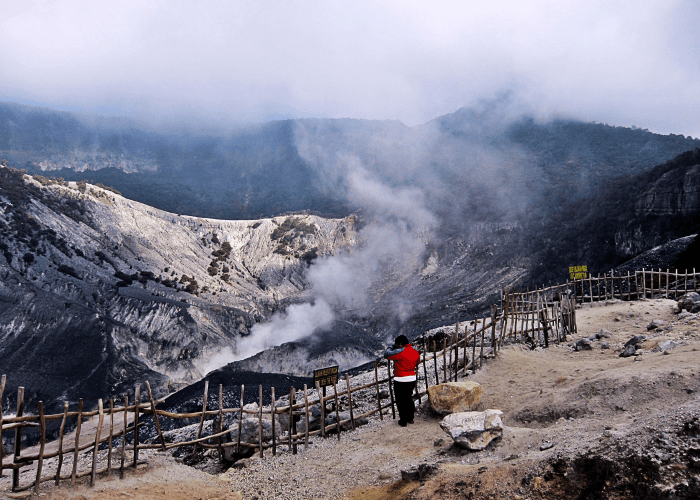
Southeast Asia, a region brimming with iconic landmarks, also harbors a wealth of hidden gems waiting to be discovered. Beyond the bustling tourist hotspots lie tranquil villages, pristine beaches, and ancient temples, offering authentic experiences far removed from the typical travel brochure. This exploration delves into these underrated destinations, focusing on locations that prioritize less crowded environments, affordable travel, and genuine cultural immersion.
We’ll journey through Vietnam, the Philippines, Laos, Cambodia, and Myanmar, uncovering lesser-known islands, trekking routes, and unique cultural practices. Our criteria for “underrated” centers around authenticity, affordability, and the opportunity to experience a destination before it becomes overrun. Prepare to be captivated by the unspoiled beauty and rich cultural heritage of Southeast Asia’s hidden treasures.
Underrated Southeast Asian Destinations
Southeast Asia, a region brimming with iconic temples, bustling cities, and pristine beaches, often overshadows its own hidden gems. Beyond the well-trodden tourist paths lie incredible experiences waiting to be discovered: authentic cultures unspoiled by mass tourism, breathtaking landscapes untouched by development, and opportunities to connect with local communities in a truly meaningful way. Venturing beyond the usual suspects offers a richer, more rewarding travel experience, allowing you to delve deeper into the heart of Southeast Asia.We define “underrated” in this context as destinations that offer a compelling blend of affordability, authenticity, and a less crowded experience compared to their more popular counterparts.
These are places where you can truly immerse yourself in local life, discover unique cultural traditions, and enjoy breathtaking natural beauty without the constant throngs of tourists. This exploration will focus on destinations that often get overlooked, offering a unique perspective on the diversity and richness of Southeast Asia.
Overview of Regions and Countries Covered
This exploration will encompass a diverse range of countries and regions within Southeast Asia, focusing on lesser-known destinations within established tourist areas and uncovering hidden gems in regions less frequently visited. We will examine specific locations in Laos, Cambodia, Vietnam, Myanmar, and the Indonesian archipelago, highlighting the unique attractions and experiences each location offers. The selection prioritizes destinations that provide a genuine cultural immersion, stunning natural beauty, and opportunities for adventure, all while remaining relatively untouched by mass tourism.
We will look at both mainland and island destinations to showcase the full diversity of this fascinating region.
Hidden Gems in Specific Countries
Southeast Asia, a region brimming with iconic tourist hotspots, also harbors a wealth of lesser-known destinations offering unique cultural experiences and breathtaking natural beauty. Venturing beyond the well-trodden paths reveals a side of Southeast Asia often overlooked, rewarding travelers with authentic encounters and unforgettable memories. This section highlights some of these hidden gems, showcasing their distinctive charms.
Underrated Destinations in Vietnam
Vietnam, famed for its bustling cities and stunning landscapes, offers a multitude of hidden gems waiting to be explored. The following table presents three such destinations, each possessing a unique blend of cultural significance and natural splendor.
| Destination | Cultural Aspects | Natural Beauty |
|---|---|---|
| Phong Nha-Ke Bang National Park | Home to the indigenous Phong Nha people, whose culture is deeply intertwined with the park’s natural resources. Traditional crafts and farming practices remain prevalent. | Boasts the world’s largest cave system, Son Doong, along with numerous other impressive caves, rivers, and lush jungle landscapes. The biodiversity is exceptional. |
| Cao Bang Province | Rich in ethnic minority cultures, with unique traditions, costumes, and festivals that reflect their connection to the land. Many villages retain their traditional way of life. | Features stunning karst mountains, cascading waterfalls, and tranquil lakes. The landscape is strikingly beautiful and diverse. |
| Hoi An Ancient Town (beyond the main tourist areas) | While Hoi An’s Ancient Town is popular, venturing beyond the main streets reveals quieter corners showcasing traditional architecture, local workshops, and a more authentic atmosphere. | The Thu Bon River offers opportunities for boat trips, showcasing the surrounding countryside and rural life. Nearby beaches offer a relaxing contrast to the town’s vibrancy. |
Lesser-Known Islands in the Philippines
The Philippines is an archipelago of over 7,000 islands, many of which remain relatively unexplored. This section compares two such islands, highlighting their unique offerings.
The following bullet points compare two lesser-known Philippine islands:
- Siquijor: Known for its mystical reputation and laid-back atmosphere. Beaches are generally smaller and more secluded, with calm waters ideal for snorkeling and diving. Activities include exploring waterfalls, visiting ancient ruins, and experiencing traditional healing practices. The overall atmosphere is tranquil and spiritual.
- Batanes: A remote island group in the northernmost part of the Philippines. Beaches are rugged and dramatic, often characterized by strong winds and dramatic cliffs. Activities include hiking, exploring rolling hills, and experiencing the unique Ivatan culture. The atmosphere is wild, windswept, and refreshingly untouched by mass tourism.
Unique Experiences in Laos
Laos offers a range of experiences beyond the usual temple visits and Mekong cruises. The following paragraphs detail three unique opportunities.
Exploring the Bolaven Plateau’s Coffee Plantations: The Bolaven Plateau is renowned for its coffee production. Visitors can participate in coffee harvesting, learn about the processing techniques, and enjoy tastings directly from the source, gaining a deeper understanding of Laos’ agricultural heritage.
Discovering the Plain of Jars: These mysterious stone jars scattered across the landscape remain a captivating enigma. A visit offers a chance to explore the archaeological site, learn about the ongoing research, and immerse oneself in the historical and cultural mystery surrounding these ancient relics.
Kayaking or Canoeing the Mekong River: While Mekong cruises are common, paddling the river independently provides a more intimate and adventurous experience. This allows for exploration of hidden waterways, interaction with local communities along the riverbanks, and a deeper appreciation of the river’s natural beauty and importance to Laotian life.
Off-the-Beaten-Path Destinations in Cambodia
Cambodia, beyond Angkor Wat, holds several fascinating destinations that offer glimpses into the country’s rich history and cultural heritage. The following table compares two such locations.
| Destination | Historical Significance | Current State of Preservation |
|---|---|---|
| Battambang | Served as a significant trading center during the French colonial era, showcasing a blend of Khmer and French architectural styles. It also holds historical importance as a strategic location throughout Cambodian history. | Many colonial-era buildings are well-preserved, alongside traditional Khmer architecture. Efforts are ongoing to maintain and restore historical sites. |
| Koh Rong Sanloem | While not historically significant in the same way as Battambang, its untouched natural beauty represents a significant part of Cambodia’s natural heritage, offering a glimpse into a less developed and more pristine past. | Relatively well-preserved, with efforts to maintain sustainable tourism practices. However, there are ongoing concerns about balancing development with environmental protection. |
Underrated Destination in Myanmar: Inle Lake
Inle Lake, nestled high in the Shan hills, offers a captivating blend of natural beauty and cultural richness. The lake’s serene waters are dotted with floating gardens, stilt villages, and traditional boats, creating a mesmerizing landscape. Local fishermen, renowned for their unique leg-rowing technique, ply the waters, their movements as graceful as the lotus flowers that bloom along the shores.
Monasteries, perched on stilts or nestled amongst the villages, showcase intricate wood carvings and vibrant murals, reflecting the region’s rich Buddhist heritage. The vibrant markets, overflowing with colorful silks, handicrafts, and local produce, offer a glimpse into the daily life of the Intha people, their faces etched with the wisdom of generations passed down through the waters of this enchanting lake.
Adventure and Nature in Underrated Locations
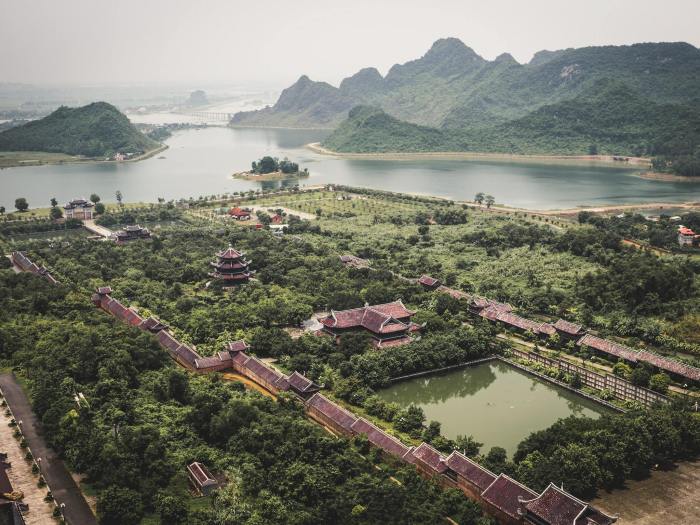
Southeast Asia, beyond its iconic tourist hotspots, offers a wealth of adventurous experiences and breathtaking natural landscapes waiting to be discovered. Less-traveled trails and hidden corners provide opportunities for immersive encounters with nature and unique cultural experiences, offering a refreshing alternative to the well-trodden paths. This section explores some of these hidden gems, focusing on challenging treks, sustainable tourism initiatives, and remarkable wildlife encounters.
Challenging Trekking Routes in Southeast Asia
Several lesser-known trekking routes in Southeast Asia present unique challenges and rewards for experienced hikers. These routes offer stunning vistas and a deeper connection with the region’s diverse ecosystems.
- The Kalaw to Inle Lake Trek (Myanmar): This multi-day trek through the Shan Hills of Myanmar offers a moderate to challenging experience, depending on the chosen route. Hikers traverse lush tea plantations, encounter diverse ethnic minority villages, and are rewarded with panoramic views of the Inle Lake. The terrain is varied, including steep ascents and descents, requiring a good level of fitness. Expect muddy trails after rain.
The unique cultural immersion and stunning landscapes make this trek a truly memorable experience.
- The Annapurna Circuit Trek (Nepal): While the Annapurna Circuit is not entirely “underrated,” sections of the trek, particularly those branching off the main trail, offer a more secluded and challenging experience. These side trails often lead to remote villages and breathtaking mountain views, with significant elevation changes and rugged terrain. The difficulty level can range from moderate to strenuous, requiring excellent physical preparation and proper gear.
This trek is ideal for experienced hikers seeking a less crowded adventure.
- The Elephant Nature Park Trek (Thailand): While not a traditional “trek” in the sense of mountain climbing, the Elephant Nature Park offers a unique ethical trekking experience. This involves gentle walks alongside rescued elephants through the park’s lush forests. While physically less demanding than the previous options, it presents a powerful emotional and ethical experience. The opportunity to observe these majestic creatures in a natural and respectful environment is an unforgettable adventure.
Eco-Tourism Initiatives in Southeast Asia
Sustainable tourism is crucial for preserving Southeast Asia’s natural beauty and supporting local communities. Several initiatives are making significant strides in this area.
| Initiative | Positive Impact |
|---|---|
| Community-based ecotourism in Laos: Several villages in Laos are actively involved in managing their own tourism, offering homestays, guided nature walks, and cultural experiences. This approach ensures that profits directly benefit the local community, fostering economic growth and encouraging the preservation of their environment and cultural heritage. Examples include initiatives focused on responsible wildlife viewing and sustainable agriculture. | This model ensures that local communities directly benefit from tourism, fostering economic growth and incentivizing environmental protection. It reduces reliance on unsustainable practices and empowers local people to manage their own resources. |
| Reforestation projects in Vietnam: Various organizations in Vietnam are involved in large-scale reforestation projects, aiming to restore degraded forests and protect biodiversity. These initiatives often involve local communities in the planting and maintenance of trees, providing employment opportunities and promoting environmental awareness. The reforestation efforts also help to mitigate climate change and enhance the region’s biodiversity. | Reforestation projects directly combat deforestation, a major environmental issue in the region. They contribute to carbon sequestration, biodiversity protection, and provide economic opportunities for local communities. |
Unique Wildlife Encounters in Underrated Locations
Beyond the well-known wildlife sanctuaries, several lesser-known areas in Southeast Asia offer remarkable opportunities for unique wildlife encounters.
- Birdwatching in the Belum-Temengor Forest Complex (Malaysia): This vast rainforest complex, located in the states of Perak and Kelantan, is a haven for birdwatchers. Home to an incredible diversity of avian species, including many endemic and rare birds, the Belum-Temengor Forest offers a chance to observe some of Southeast Asia’s most elusive and colorful feathered creatures. Guided tours are available, offering insights into the forest’s rich biodiversity and the behaviors of its inhabitants.
The experience is one of immersion in a pristine ecosystem, teeming with life and sound.
- Slow Loris Observation in the forests of Sumatra (Indonesia): Observing slow lorises in their natural habitat requires careful planning and ethical considerations. Certain regions of Sumatra, particularly those less impacted by deforestation, offer opportunities to observe these unique primates. This necessitates engaging with reputable eco-tourism operators who prioritize the well-being of the animals and the preservation of their habitat. Observing the slow loris’s deliberate movements and nocturnal behaviors is a truly fascinating experience, highlighting the incredible biodiversity of the Sumatran rainforest.
It’s important to remember that responsible wildlife viewing is paramount to ensuring the survival of these endangered animals.
Cultural Immersion in Underrated Destinations
Southeast Asia, a region brimming with iconic tourist hotspots, also harbors a wealth of lesser-known destinations offering unparalleled cultural immersion. These hidden gems provide a more authentic and intimate experience, allowing travelers to connect with local traditions, artistry, and lifestyles in a way that’s often lost in more crowded areas. Exploring these areas allows for a deeper understanding of the region’s rich and diverse heritage.
A Comparison of Traditional Arts and Crafts in Three Underrated Destinations
The traditional arts and crafts of Southeast Asia reflect the unique histories and environments of each region. A comparative study of three underrated destinations reveals both striking similarities and fascinating differences in their artistic expressions.
- Luang Prabang, Laos: Known for its intricate textiles, particularly the hand-woven silk, often adorned with traditional Lao patterns. The process is labor-intensive, involving natural dyes and intricate weaving techniques passed down through generations. Religious motifs and symbolic imagery are frequently incorporated into the designs.
- Hoi An, Vietnam: Famous for its tailor shops and vibrant silk industry, Hoi An’s crafts also encompass intricate wood carvings, often found in ancient temples and traditional houses. The city’s history as a major trading port is reflected in the diverse influences seen in its art, blending Chinese, Japanese, and Vietnamese styles.
- Kampot, Cambodia: While less known for large-scale crafts compared to the others, Kampot boasts a unique tradition of pottery making, utilizing local clay and techniques passed down through generations. The pottery often features simple, elegant designs, reflecting the region’s laid-back atmosphere. Pepper cultivation also plays a significant role in the region’s economy and culture.
Similarities include the emphasis on handcrafted techniques, often passed down through families, and the use of natural materials. Differences lie in the specific styles, techniques, and the dominant motifs reflected in the artwork, reflecting the diverse cultural influences of each region.
Culinary Traditions of Two Lesser-Known Regions
The culinary landscape of Southeast Asia is as diverse as its cultures. Two lesser-known regions showcase unique flavors and ingredients that reflect their specific environments and histories.
| Region: Northern Laos (Luang Namtha) | Region: Southern Thailand (Trang) |
|---|---|
| Known for its use of wild foraged ingredients and fresh herbs. Dishes often feature sticky rice, various mushrooms, and locally sourced meats. A signature dish is Or Lam, a flavorful soup made with bamboo shoots, wild mushrooms, and herbs. The cuisine emphasizes simplicity and the natural flavors of the ingredients. | Famous for its seafood-centric cuisine, influenced by its coastal location. Dishes often incorporate fresh fish, shrimp, and shellfish, prepared in various ways, including curries, stir-fries, and grilled preparations. Khao Yam, a spicy salad with seafood and herbs, is a local specialty. The use of fresh coconut milk and tropical fruits is prevalent in many dishes. |
Local Festivals and Celebrations in Siem Reap, Cambodia
Siem Reap, while known for Angkor Wat, offers a deeper cultural immersion through its local festivals. The most significant is the Khmer New Year, typically celebrated in April. This three-day festival is a vibrant spectacle of traditional dances, music, and games. Families gather, visiting pagodas and participating in water-throwing festivities, symbolizing the washing away of bad luck and welcoming the new year.
The significance of the festival lies in its deep-rooted connection to Khmer culture and its role in reinforcing family ties and community spirit. Participating respectfully involves dressing modestly, showing reverence in religious settings, and engaging with locals in a friendly and courteous manner. Refrain from taking pictures of people without their permission and avoid overly boisterous behavior in religious sites.
Joining in the water-throwing festivities requires a playful spirit and understanding that it’s a symbolic act of good fortune, not an aggressive act. Observing the traditional dances and music provides a window into the rich artistic heritage of the Khmer people.
Practical Travel Information for Underrated Destinations
Exploring Southeast Asia’s hidden gems requires careful planning and preparation. This section provides essential information to ensure a smooth and rewarding journey, focusing on practical aspects often overlooked in typical travel guides. Successfully navigating less-traveled paths involves understanding the nuances of packing, insurance, app usage, budgeting, and responsible tourism.
Essential Travel Items for Southeast Asia
Packing appropriately is crucial for comfortable and safe travel, especially in less-developed areas. Consider the climate, planned activities, and potential challenges when selecting your belongings. Overpacking can be cumbersome, while underpacking can lead to unforeseen difficulties.
- Lightweight, quick-drying clothing suitable for warm, humid weather.
- Versatile footwear for walking, hiking, and exploring various terrains.
- A reliable backpack or daypack for carrying essentials.
- Insect repellent, sunscreen, and a hat for sun protection.
- First-aid kit with essential medications and any personal prescriptions.
- Copies of important documents (passport, visa, insurance information).
- Universal adapter and portable charger for electronic devices.
- Water bottle or hydration pack for staying hydrated.
- Small flashlight or headlamp.
- Cash in local currency, as ATMs may be limited in some areas.
Choosing Appropriate Travel Insurance for Adventurous Trips
Securing comprehensive travel insurance is paramount, especially when venturing into less-visited areas. Standard policies may not cover activities like trekking or off-road travel, so it’s vital to find a plan that specifically includes coverage for adventure activities and medical emergencies in remote locations. Look for policies with extensive medical evacuation coverage, as this can be incredibly expensive in remote areas.
Consider adding coverage for lost or stolen belongings and trip cancellations. Reading reviews and comparing plans from reputable insurers is highly recommended.
Helpful Travel Apps for Off-the-Beaten-Path Locations
Technology significantly enhances travel experiences, particularly in areas with limited infrastructure. Several apps offer essential tools for navigation, translation, and booking accommodations.
- Maps.me: Provides offline maps, allowing navigation even without internet access. Crucial for remote areas with unreliable connectivity.
- Google Translate: Facilitates communication with locals, translating text and even speech in real-time. Essential for overcoming language barriers.
- Booking.com or Agoda: Allows searching and booking accommodations, including guesthouses and homestays, often unavailable through larger travel agencies. Helpful for finding budget-friendly options.
- Grab or Gojek (Southeast Asia): Ride-hailing apps offering convenient and affordable transportation options, especially in urban areas and some rural locations.
Finding Affordable Travel Deals and Budget-Friendly Accommodations
Budget travel in Southeast Asia is entirely achievable. Several strategies can help you stretch your travel funds further. Consider traveling during the shoulder season (between peak and off-season) for lower prices on flights and accommodation. Look for budget-friendly accommodations like guesthouses, homestays, or hostels, which often offer a more authentic cultural experience. Utilize budget airlines for domestic flights and take advantage of local transportation options like buses and trains.
Booking flights and accommodation in advance can often secure better deals.
Responsible Tourism in Underrated Destinations
Responsible tourism is not merely a trend; it’s a necessity for preserving the unique character and natural beauty of lesser-known destinations. Respecting local customs and traditions, supporting local businesses, and minimizing your environmental impact are vital. Avoid contributing to over-tourism by choosing less crowded destinations and opting for sustainable travel practices. Support local communities by purchasing locally made goods and engaging respectfully with the culture.
Leaving no trace behind, properly disposing of waste, and respecting wildlife are all crucial aspects of ensuring these destinations remain pristine for future generations.
Exploring Southeast Asia’s underrated destinations offers a unique opportunity to connect with the region’s vibrant cultures and breathtaking landscapes on a deeper level. From the tranquil rice paddies of Laos to the ancient temples of Cambodia, each location provides a distinct and unforgettable experience. By venturing off the well-trodden path, travelers can contribute to sustainable tourism and support local communities while creating lasting memories.
Embrace the adventure and discover the magic of Southeast Asia’s hidden corners.
Detailed FAQs
What is the best time to visit these underrated destinations?
The ideal time varies depending on the specific location and your tolerance for heat and rain. Generally, the dry season (November to April) is best for most of Southeast Asia, but some destinations have pleasant weather year-round.
How safe are these less-visited areas?
Safety levels vary. Research your chosen destinations thoroughly, be aware of your surroundings, and take standard precautions against petty theft. Consider travel insurance that covers medical emergencies and evacuations.
What’s the best way to get around these areas?
Transportation options vary greatly. Local buses are often affordable and a great way to immerse yourself in the culture, but private drivers or motorbike rentals might be necessary for reaching remote areas. Flights between major cities are also readily available.
Are these destinations suitable for solo female travelers?
Many of these destinations are perfectly safe for solo female travelers, but it’s crucial to exercise caution and be aware of your surroundings. Consider traveling with a group or hiring a guide for added safety and security.


