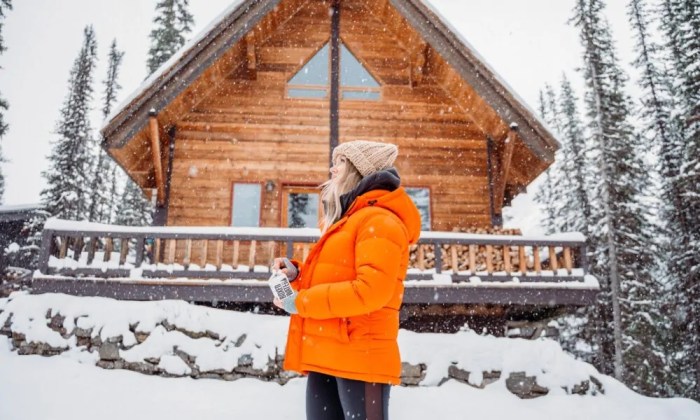
Conquering snowy landscapes requires meticulous preparation. A successful winter adventure hinges on possessing the right gear, understanding potential hazards, and planning ahead. This guide delves into the essential clothing, equipment, and safety measures needed for a memorable and safe trip to snowy destinations, transforming potential challenges into exciting opportunities for exploration.
From layering techniques for optimal temperature regulation to choosing the appropriate footwear for varied terrains, we cover crucial aspects often overlooked. We’ll also explore practical tips for planning your itinerary, booking accommodations, and securing necessary travel insurance. Ultimately, our aim is to equip you with the knowledge and confidence to embrace the beauty and thrill of winter travel.
Clothing Essentials for Snowy Destinations

Preparing for a snowy adventure requires careful consideration of your clothing choices. The right attire will ensure comfort, warmth, and protection from the elements, allowing you to fully enjoy your trip. Proper layering is key to adapting to changing conditions and maintaining a comfortable body temperature throughout your activities.
Layering for Snowy Conditions
Layering your clothing is crucial for effective temperature regulation in variable winter weather. This system allows you to adjust your clothing according to the intensity of your activities and the changing environmental conditions. By adding or removing layers, you can maintain optimal comfort and prevent overheating or chilling.
| Item | Description | Material Recommendation | Activity Suitability |
|---|---|---|---|
| Base Layer | Moisture-wicking layer worn next to skin. | Merino wool, synthetic fabrics (polypropylene, polyester) | All activities |
| Mid Layer | Insulating layer to trap heat. | Fleece, down, synthetic insulation | All activities |
| Outer Layer | Waterproof and windproof shell to protect from elements. | Gore-Tex, other waterproof/breathable fabrics | All activities |
| Warm Hat | Covers head and ears, preventing significant heat loss. | Wool, fleece, synthetic materials | All activities |
| Gloves or Mittens | Protects hands from cold and moisture. Mittens generally provide better warmth. | Waterproof, insulated materials | All activities |
| Warm Socks | Keeps feet warm and dry. | Wool, synthetic blends | All activities |
| Waterproof Boots | Provides insulation and protection from snow and ice. | Leather, insulated rubber | All activities |
| Neck Gaiter or Scarf | Protects neck and face from wind and cold. | Fleece, wool | All activities |
Importance of Waterproof and Windproof Outerwear
Waterproof and windproof outerwear is essential for snowy destinations. These garments prevent snow and wind from penetrating your clothing layers, keeping you dry and warm even in harsh conditions. Materials like Gore-Tex are highly effective at providing both waterproofing and breathability, allowing moisture vapor to escape while preventing water from entering. Without proper outerwear, you risk hypothermia and discomfort.
Seven-Day Snowy Trip Packing List
This packing list prioritizes versatile items to minimize space while maximizing functionality for a seven-day snowy trip.
Base Layer: 2 Merino wool long-sleeved shirts, 2 pairs Merino wool long underwear.
Mid Layer: 1 fleece jacket, 1 lightweight down jacket.
Outer Layer: 1 waterproof and windproof jacket, 1 pair waterproof and windproof pants.
Accessories: 1 warm hat, 1 pair waterproof gloves, 1 pair liner gloves, 1 neck gaiter, 2 pairs warm socks, waterproof boots.
Optional: Extra pair of socks, beanie for extra warmth, sunglasses or goggles.
Gear and Equipment for Winter Travel
Proper gear is paramount for a safe and enjoyable winter adventure. Choosing the right equipment will significantly impact your comfort and ability to navigate challenging snowy conditions. This section details essential gear items, emphasizing considerations for various activities and terrains.
Winter Footwear Selection
Selecting the appropriate footwear is crucial for staying warm, dry, and comfortable in snowy environments. The ideal boot will depend heavily on the intended activity and the specific conditions.
- Insulated Winter Boots: These are suitable for everyday wear in snowy conditions, offering good insulation and water resistance. They are generally less robust than mountaineering boots but provide ample protection for walking on packed snow and ice. Examples include boots with Thinsulate or PrimaLoft insulation.
- Mountaineering Boots: Designed for challenging terrain and extreme cold, these boots are stiffer, more durable, and provide superior ankle support. They are often compatible with crampons for icy ascents. These are the preferred choice for serious mountaineering or backcountry skiing.
- Snow Boots: These are typically lighter and less expensive than insulated or mountaineering boots. They offer good protection from the elements for casual winter activities like snowshoeing on relatively flat terrain or shorter walks. They may lack the durability and support of other options.
Trekking Poles in Snowy Terrain
Trekking poles offer significant advantages when navigating snowy landscapes. Their utility extends beyond simply providing stability; they also aid in maintaining balance, reducing strain on joints, and improving overall efficiency in snow and ice.The use of trekking poles helps to distribute weight more evenly, reducing the impact on knees and ankles, particularly important on uneven terrain. The poles can be used to test snow depth and stability, and also help with self-arrest in the event of a fall on a steep slope.
They’re also invaluable for pushing through deep snow, preventing sinking and fatigue.
Backpack Packing for a Snowy Day Trip
Imagine a backpack designed for a snowy day trip. It’s a medium-sized, waterproof backpack (around 25-35 liters) with multiple compartments. The main compartment holds extra layers of clothing – a fleece jacket, waterproof shell, and extra warm socks. A smaller, easily accessible compartment contains a first-aid kit, sunscreen, lip balm, and a headlamp. Water bottles or a hydration reservoir are stored in side pockets, easily reachable without removing the pack.
A separate compartment might hold snacks – energy bars, trail mix, and perhaps a thermos of hot tea or coffee. On the outside, attached securely, are trekking poles, possibly stowed in dedicated holders. Ice axes or snowshoes could be affixed depending on the planned activity. The entire pack is well-organized and efficiently packed to ensure easy access to essential items while minimizing weight and bulk.
Safety and Health Precautions for Winter Travel
Safe and enjoyable winter travel requires careful planning and attention to potential hazards. The unpredictable nature of winter weather necessitates proactive measures to mitigate risks and ensure a healthy and memorable experience. Understanding and implementing appropriate safety protocols is crucial for both your well-being and the success of your trip.
Pre-Trip Safety Precautions
Thorough preparation before your journey is paramount. Failing to adequately prepare can significantly increase the likelihood of encountering unforeseen difficulties and compromising safety. A well-planned itinerary, coupled with appropriate gear and awareness of potential risks, forms the foundation of a safe winter adventure.
- Inform someone of your itinerary, including your planned route, destinations, and expected return time. This allows for prompt assistance should you encounter unforeseen circumstances.
- Check weather forecasts and avalanche reports regularly, especially if engaging in outdoor activities. Adjust your plans accordingly, considering the potential impact of severe weather conditions.
- Ensure your vehicle is winterized, including appropriate tires, fluids, and emergency supplies. Regular vehicle maintenance is crucial for safe winter travel.
- Pack a comprehensive first-aid kit specifically tailored for winter conditions. This should include items to address cold-weather injuries like frostbite and hypothermia.
- Familiarize yourself with basic winter survival skills, including how to build a snow shelter and signal for help if necessary. This knowledge can prove invaluable in emergency situations.
Safety Precautions During Travel
Maintaining vigilance and awareness throughout your journey is vital. Unexpected events can occur, and preparedness is key to navigating these challenges effectively. Staying informed about changing weather conditions and adhering to safety guidelines will minimize potential risks.
- Monitor weather conditions continuously and be prepared to alter your plans if necessary. Sudden changes in weather can impact travel conditions significantly.
- Drive cautiously and avoid unnecessary risks. Winter driving conditions require slower speeds and increased vigilance to prevent accidents.
- Stay hydrated and eat regularly to maintain energy levels and body temperature. Dehydration and low blood sugar can exacerbate the effects of cold weather.
- Dress in layers to regulate body temperature effectively. This allows for easy adjustment to changing conditions.
- Be aware of potential hazards such as icy patches, snow drifts, and avalanche zones, and take appropriate precautions to avoid them.
Post-Trip Safety Precautions
Even after your journey concludes, safety considerations remain relevant. Taking steps to ensure a safe return and addressing any potential after-effects of your trip is crucial.
- Upon returning, check for any signs of frostbite or hypothermia and seek medical attention if necessary.
- Allow ample time for rest and recovery after your trip, particularly if you have engaged in strenuous outdoor activities.
- Review your experience and identify areas for improvement in your future winter travel plans.
Importance of Weather Forecasts and Avalanche Reports
Before embarking on any outdoor activities in snowy destinations, consulting weather forecasts and avalanche reports is non-negotiable. These reports provide crucial information about potential hazards, such as blizzards, extreme cold, and avalanche risk, allowing for informed decision-making and minimizing the risk of accidents. Ignoring these reports can have severe consequences. For example, a sudden blizzard could trap individuals in remote areas, while an unexpected avalanche could lead to serious injury or death.
Winter First-Aid Kit Essentials and Usage
A comprehensive winter first-aid kit should include items specifically designed to address cold-weather injuries. This includes items for treating frostbite and hypothermia, as well as standard first-aid supplies. Knowledge of how to use these items is just as crucial as having them on hand.
- Wound care supplies: Sterile dressings, antiseptic wipes, bandages, medical tape.
- Pain relievers: Ibuprofen or acetaminophen for pain and inflammation.
- Antibiotic ointment: To prevent infection in wounds.
- Blister treatment: Moleskin or blister pads.
- Heat packs: To treat hypothermia and frostbite (chemical heat packs are preferable to those requiring water activation).
- Emergency blanket: To provide insulation and retain body heat.
Hypothermia and Frostbite: Prevention and Treatment
Hypothermia, a dangerously low body temperature, and frostbite, tissue damage caused by freezing, are serious risks in cold weather. Understanding their symptoms and implementing preventative measures is vital.
- Hypothermia Symptoms: Shivering, confusion, drowsiness, slurred speech, slow heart rate, loss of coordination.
- Hypothermia Prevention: Dress in layers, stay dry, avoid alcohol and caffeine, eat regularly.
- Hypothermia Treatment: Get to a warm place, remove wet clothing, wrap in warm blankets, provide warm drinks (avoid alcohol), seek medical attention immediately.
- Frostbite Symptoms: Numbness, tingling, white or grayish skin, waxy appearance.
- Frostbite Prevention: Cover exposed skin, wear waterproof and windproof clothing, avoid prolonged exposure to cold.
- Frostbite Treatment: Gently rewarm the affected area in warm water (around 104-107°F), do not rub the affected area, seek medical attention immediately.
Planning and Preparation for Winter Trips
Planning a successful winter trip to a snowy mountain destination requires meticulous preparation. Factors such as weather conditions, accessibility, and potential hazards necessitate careful consideration of logistics, safety measures, and contingency plans. Thorough planning minimizes unforeseen complications and maximizes enjoyment of the winter wonderland.
Sample 5-Day Winter Trip Itinerary
A well-structured itinerary ensures a balanced experience, incorporating both adventure and relaxation. This sample itinerary is adaptable to individual preferences and fitness levels.
| Day | Activity | Location | Notes |
|---|---|---|---|
| Day 1 | Arrival and Accommodation Check-in | Mountain Resort Hotel (e.g., Banff Springs Hotel, Canada) | Settle in, explore the hotel amenities. |
| Day 2 | Skiing/Snowboarding | Local Ski Resort (e.g., Sunshine Village, Canada) | Rent equipment if necessary. Consider lessons for beginners. |
| Day 3 | Snowshoeing/Cross-country Skiing | Designated Trails near Resort | Enjoy the scenic beauty at a more relaxed pace. Pack snacks and water. |
| Day 4 | Ice Skating/Sledding | Outdoor Ice Rink/Designated Sledding Hill | Fun activity suitable for all ages and fitness levels. |
| Day 5 | Departure | Airport/Train Station | Allow ample time for travel to the airport/station. |
Booking Flights and Accommodations
Securing flights and accommodations in advance is crucial, especially during peak winter season. Websites such as Expedia, Kayak, and Booking.com offer comparison tools to find the best deals. Consider flexible travel dates to potentially find lower prices. Utilizing airline and hotel loyalty programs can also yield significant savings. Booking directly with airlines or hotels sometimes offers better rates or cancellation policies.
The Importance of Travel Insurance for Winter Trips
Travel insurance is essential for winter trips, providing financial protection against unforeseen circumstances. Winter travel carries increased risks, such as weather delays, medical emergencies, and equipment damage. Comprehensive travel insurance should cover trip cancellations, medical expenses (including emergency evacuation), lost or stolen luggage, and potential liability. Policies often offer various coverage levels; selecting a plan that aligns with your trip’s specifics is recommended.
For example, a policy might cover the cost of a rescheduled flight due to a blizzard or the medical bills incurred from a skiing accident.
Pre-Trip Preparation Checklist
A thorough checklist ensures a smooth and stress-free trip. This includes confirming flight and accommodation bookings, packing appropriate clothing and gear, obtaining necessary vaccinations (if required by the destination), and informing family or friends of your travel plans, including itinerary details and emergency contact information.
- Confirm travel bookings (flights, accommodation, activities).
- Pack winter clothing, gear, and essential medications.
- Check for necessary vaccinations and obtain any required travel documents.
- Inform family/friends of travel plans, including itinerary and emergency contact information.
- Charge all electronic devices and ensure sufficient battery life.
- Check weather forecasts and pack accordingly.
- Make copies of important documents (passport, driver’s license, travel insurance).
Exploring Related Travel Aspects
Planning a successful winter trip involves more than just packing the right clothes and gear. Understanding various travel resources, insurance options, and utilizing helpful online tools can significantly enhance your experience and ensure a smooth journey. This section explores key aspects beyond the essentials, focusing on practical tips and resources to make your winter adventure truly memorable.
Winter Travel Deals, Destinations, and Guides
Finding the right deal can make a significant difference in the overall cost of your winter trip. Numerous resources exist to help travelers locate attractive offers and discover exciting destinations. These resources can save you time and money, allowing you to focus on enjoying your vacation.
- Travel Deal Websites: Sites like Expedia, Kayak, and Skyscanner offer comprehensive search engines to compare flight and hotel prices from various providers. They often feature deals and discounts, especially during the off-season or shoulder seasons.
- Destination-Specific Guides: Websites and publications dedicated to specific regions, such as “Lonely Planet” or “Fodor’s,” provide detailed information on winter activities, accommodation options, and local insights for various snowy destinations.
- Ski Resort Packages: Many ski resorts offer bundled packages that include lift tickets, accommodation, and sometimes even equipment rentals, providing cost-effective options for winter sports enthusiasts.
- Example Destinations: Popular winter destinations include Whistler Blackcomb (Canada), Aspen Snowmass (USA), Zermatt (Switzerland), and Niseko (Japan), each offering unique experiences and potential travel deals.
Popular Travel Apps for Winter Trip Planning and Booking
Mobile applications have revolutionized travel planning, providing convenient tools for booking flights, accommodations, and activities. These apps offer features that streamline the process and often provide real-time updates and alerts.
- Booking.com: A widely used app for finding and booking hotels, apartments, and other accommodations worldwide. It often features user reviews and photos to help you choose the right place to stay.
- Expedia: This app offers a comprehensive platform for booking flights, hotels, rental cars, and activities, allowing users to manage all aspects of their trip in one place.
- Skyscanner: This app is particularly useful for comparing flight prices from various airlines, making it easier to find the best deals.
- Google Trips (discontinued, but functionality incorporated into Google Maps): While no longer a standalone app, Google Maps incorporates many of its features, offering offline map access, itinerary planning, and recommendations for activities.
Benefits and Drawbacks of Different Travel Insurance Policies
Travel insurance offers crucial protection against unforeseen circumstances during your trip. Different policies offer varying levels of coverage, and understanding these nuances is essential for choosing the right plan.
- Comprehensive Policies: These offer the broadest coverage, including medical emergencies, trip cancellations, lost luggage, and other unforeseen events. However, they typically come with higher premiums.
- Basic Policies: These provide essential coverage, such as medical emergencies and trip cancellations, but may have limitations on other aspects. They are usually more affordable.
- Specific Activity Policies: Some policies cater to specific activities, such as skiing or snowboarding, offering additional coverage for injuries related to these sports. These policies might be beneficial for adventurous winter travelers.
- Drawbacks: Pre-existing conditions may not be covered, and certain activities might be excluded from coverage. It’s crucial to read the policy details carefully before purchasing.
Value of Travel Blogs and Guides in Winter Trip Planning
Travel blogs and guides provide invaluable insights into destinations, offering firsthand accounts and practical tips that can enhance your travel experience. They go beyond standard tourist information, often including local perspectives and hidden gems.
- First-hand Experiences: Blogs often share detailed accounts of specific experiences, including accommodation reviews, activity recommendations, and practical advice on navigating a destination.
- Local Perspectives: Many blogs are written by locals or long-term residents, offering unique insights and recommendations that you might not find in traditional guidebooks.
- Hidden Gems and Off-the-Beaten-Path Suggestions: Blogs often uncover lesser-known attractions and activities, adding depth and authenticity to your travel experience.
- Community and Interaction: Many blogs offer comment sections or social media platforms where travelers can interact, ask questions, and share their own experiences.
Embarking on a winter adventure to a snowy destination is an unforgettable experience. By carefully considering the essentials Artikeld in this guide – from appropriate clothing and gear to safety precautions and meticulous planning – you can ensure a trip filled with breathtaking scenery and exhilarating activities. Remember, thorough preparation is the key to a safe and enjoyable journey into the heart of winter’s wonderland.
Pack smart, stay safe, and create lasting memories in the snow.
FAQ Section
What type of sunscreen should I use in snowy conditions?
Use a broad-spectrum, high-SPF sunscreen, even on cloudy days. Snow reflects UV rays, increasing sun exposure.
How can I prevent altitude sickness?
Ascend gradually, stay hydrated, and avoid strenuous activity on the first day at high altitude. Consult your doctor about altitude sickness medication if needed.
What should I do if I get lost?
Stay calm, stay put if possible, and try to signal for help. Conserve energy and stay warm. Inform someone of your planned route before setting out.
What are the signs of dehydration in cold weather?
Signs may be less obvious than in warm weather. Look for fatigue, dizziness, confusion, and decreased urine output. Drink plenty of fluids, even if you don’t feel thirsty.


