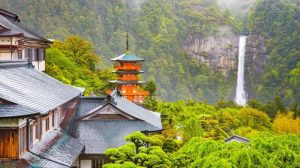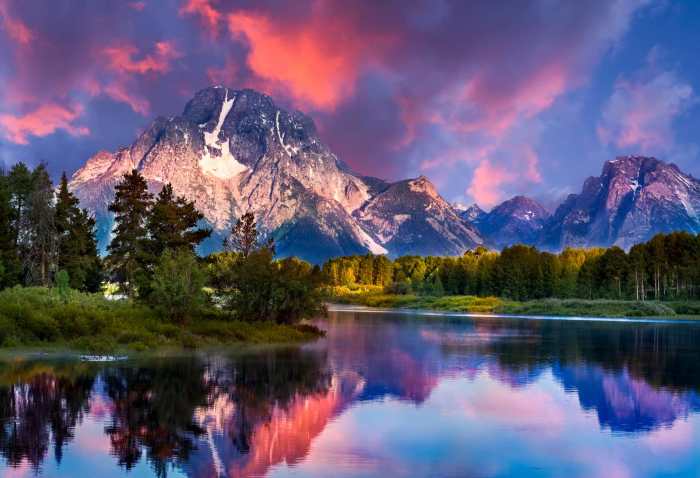
Escape to breathtaking vistas! This exploration delves into captivating travel destinations renowned for their majestic mountain scenery. From snow-capped peaks to verdant alpine meadows, we uncover a diverse range of landscapes, adventure activities, and practical planning tips to ensure your mountain escape is unforgettable. We’ll journey through iconic locations, discover diverse mountain scenery types, and explore the best ways to plan your adventure, ensuring a seamless and enriching experience.
This comprehensive guide covers everything from choosing the perfect destination and booking accommodations to selecting thrilling activities and packing efficiently for varied weather conditions. We also provide insights into essential travel apps, insurance options, and unique travel blogs to enhance your planning process and ensure a safe and memorable trip.
Top 10 Travel Destinations with Stunning Mountain Views
Many destinations worldwide offer breathtaking mountain vistas, each unique in its character and appeal. From towering peaks to rolling hills, these landscapes inspire awe and provide unforgettable travel experiences. Choosing the “best” is subjective, but this list highlights ten locations consistently praised for their exceptional mountain scenery.
Top 10 Mountain View Destinations
The following table details ten remarkable locations known for their spectacular mountain views, encompassing diverse geographical regions and scenic styles. Each entry includes the location, country, prominent mountain range, and a brief description of the visual experience.
| Destination | Country | Notable Mountain Range | View Description |
|---|---|---|---|
| Banff National Park | Canada | Canadian Rockies | Jagged peaks, turquoise lakes, and lush forests create a dramatic and vibrant alpine landscape. |
| Zermatt | Switzerland | Swiss Alps | The iconic Matterhorn dominates the skyline, offering a postcard-perfect view of a classic alpine village nestled amongst snow-capped peaks. |
| Yosemite National Park | United States | Sierra Nevada | Granite cliffs, waterfalls cascading down sheer rock faces, and giant sequoia trees create a majestic and awe-inspiring vista. |
| Dolomites | Italy | Dolomites | Unique pale, jagged peaks, deep valleys, and charming villages create a dramatic and picturesque landscape. |
| Kathmandu Valley | Nepal | Himalayas | Panoramic views of the Himalayas, including Everest, provide a breathtaking backdrop to the ancient city. |
| Zhangjiajie National Forest Park | China | Wulingyuan | Towering sandstone pillars and lush vegetation create a surreal and otherworldly landscape. |
| Torres del Paine National Park | Chile | Patagonian Andes | Dramatic granite peaks, glaciers, turquoise lakes, and vast pampas create a stunning and wild Patagonian landscape. |
| Lake District | England | Lake District Fells | Rolling hills, sparkling lakes, and charming villages create a picturesque and tranquil landscape. |
| Mount Cook National Park | New Zealand | Southern Alps | Towering peaks, glaciers, and alpine meadows create a stunning and dramatic landscape. |
| Grand Teton National Park | United States | Teton Range | Dramatic, jagged peaks rising sharply from a valley floor, with pristine lakes and abundant wildlife, create a breathtaking western landscape. |
Showcase of Mountain Landscapes
Three diverse mountain landscapes illustrate the variety of stunning views available across the globe.
Image 1: A panoramic view of the Matterhorn in Zermatt, Switzerland, during a crisp winter day. The iconic pyramidal peak is sharply defined against a clear blue sky, surrounded by snow-covered slopes and the charming village below. The image captures the pristine beauty of the Swiss Alps in winter, showcasing the contrast between the stark white snow and the deep blue sky.
Image 2: A vibrant springtime scene in Yosemite Valley, Yosemite National Park, USA. Half Dome rises majestically in the background, its granite face bathed in the warm sunlight. Waterfalls cascade down the valley walls, feeding the Merced River, which meanders through the valley floor. The lush greenery of the valley floor contrasts with the stark granite peaks, highlighting the park’s diverse ecosystem.
Image 3: A dramatic sunset over the Torres del Paine massif in Torres del Paine National Park, Chile. The granite towers are silhouetted against a fiery orange and pink sky, reflecting in the still waters of a nearby lake. The image captures the raw, untamed beauty of Patagonia, emphasizing the scale and grandeur of the landscape.
Types of Mountain Scenery
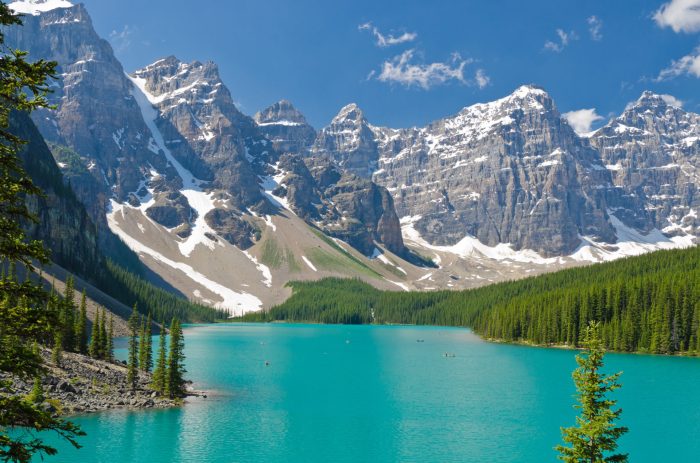
Mountain landscapes offer a breathtaking diversity, appealing to a wide range of travelers. From the gentle slopes of rolling hills to the dramatic peaks of towering alpine ranges, the variety of scenery ensures a unique and unforgettable experience for everyone. The type of mountain scenery significantly impacts the best time to visit, as weather patterns and seasonal changes drastically alter the visual appeal of each environment.Exploring different types of mountain scenery reveals a world of contrasting beauty.
Each type offers a distinct aesthetic and recreational opportunities, shaping the overall travel experience. Understanding these differences allows travelers to choose destinations perfectly suited to their preferences and expectations.
Alpine Meadows
Alpine meadows are high-altitude grasslands found above the tree line, characterized by vibrant wildflowers, lush vegetation, and stunning views of surrounding peaks. The air is crisp and clean, and the tranquility is unparalleled. Destinations like the Swiss Alps, particularly areas around Zermatt and Grindelwald, are prime examples of stunning alpine meadows. The best time to visit is during the summer months (June-August) when the wildflowers are in full bloom and the weather is generally pleasant, though even then, unpredictable alpine weather can still occur.
Snow-Capped Peaks
Snow-capped peaks represent the epitome of majestic mountain scenery. These towering summits, perpetually covered in snow and ice, inspire awe and wonder. The Himalayas, the Andes, and the Canadian Rockies all boast numerous snow-capped peaks. The best time to visit for optimal snow viewing and potentially winter sports is during the winter months (December-March), though spring (April-May) can offer beautiful contrasts of snow and emerging greenery in some locations.
However, be prepared for challenging weather conditions including heavy snowfall, strong winds, and freezing temperatures.
Rugged Cliffs and Gorges
Rugged cliffs and deep gorges offer a dramatic and adventurous landscape. These formations, often carved by glaciers or rivers over millennia, create spectacular vistas and challenging hiking opportunities. The Yosemite Valley in California, with its granite cliffs and waterfalls, or the breathtaking gorges of the Grand Canyon are perfect examples. The best time to visit often depends on the specific location and the availability of hiking trails.
However, generally spring and autumn (April-May and September-October) offer pleasant temperatures and fewer crowds than the peak summer months.
Rolling Hills
Rolling hills offer a gentler, more accessible mountain landscape. These undulating slopes are often covered in forests, vineyards, or farmland, creating a picturesque and serene environment. The Tuscan countryside in Italy, with its rolling hills dotted with cypress trees and vineyards, or the rolling hills of the Scottish Highlands are perfect illustrations. The best time to visit is generally during the spring and autumn (April-May and September-October) when the weather is mild and the landscape is vibrant with color.
Summer can be hot and dry in some regions, while winter may bring rain or snow.
Categorization of Destinations by Dominant Mountain Scenery Type
The following list categorizes several destinations based on their predominant mountain scenery type:
- Alpine Meadows: Swiss Alps (Zermatt, Grindelwald), Austrian Alps (Salzburg), Canadian Rockies (Banff, Jasper)
- Snow-Capped Peaks: Himalayas (Nepal, Bhutan), Andes Mountains (Peru, Bolivia), Canadian Rockies (various locations)
- Rugged Cliffs and Gorges: Yosemite National Park (USA), Grand Canyon National Park (USA), Dolomites (Italy)
- Rolling Hills: Tuscany (Italy), Scottish Highlands (Scotland), Napa Valley (USA)
Adventure Activities in Mountainous Regions
Mountainous regions offer a diverse range of thrilling adventure activities, catering to various skill levels and preferences. From leisurely hikes to challenging climbs, the options are vast and exciting, providing unique opportunities to connect with nature and test personal limits. The choice of activity depends heavily on individual fitness levels, experience, and the specific mountain environment.
The following table categorizes popular adventure activities based on difficulty, along with suggested locations. Remember that difficulty can vary depending on specific trails, routes, and weather conditions. Always check local advisories and trail conditions before embarking on any adventure.
Adventure Activities by Difficulty Level
| Activity | Difficulty | Recommended Destinations | Essential Gear & Safety Precautions |
|---|---|---|---|
| Hiking | Beginner – Intermediate – Advanced | Beginner: Appalachian Trail (sections), Lake District (England), Intermediate: Inca Trail (Peru), Advanced: Everest Base Camp Trek (Nepal) | Sturdy hiking boots, layered clothing, backpack, water bottle, map/compass/GPS, first-aid kit, sunscreen, insect repellent. Always inform someone of your hiking plan and estimated return time. Be aware of altitude sickness at higher elevations. |
| Trekking | Intermediate – Advanced | Torres del Paine (Chile), Annapurna Circuit (Nepal), John Muir Trail (California) | Similar to hiking, but with more emphasis on multi-day preparedness: tent, sleeping bag, cooking equipment, extra food supplies, appropriate clothing for varying weather conditions. Consider hiring a guide, especially for challenging treks. |
| Skiing/Snowboarding | Beginner – Intermediate – Advanced | Beginner: Whistler Blackcomb (Canada), Aspen Snowmass (Colorado), Intermediate: Zermatt (Switzerland), Advanced: Chamonix (France) | Skis/snowboard, boots, poles, helmet, appropriate clothing (waterproof and insulated), goggles, sunscreen. Take lessons if needed and always stay within your ability level. Be aware of avalanche risks and heed warnings. |
| Rock Climbing | Beginner – Intermediate – Advanced | Beginner: Indoor climbing gyms (various locations), Beginner outdoor crags (e.g., New River Gorge, West Virginia), Intermediate: Yosemite Valley (California), Advanced: El Capitan (Yosemite), Patagonia (various locations) | Climbing shoes, harness, ropes, carabiners, belay device, helmet, chalk bag. Always climb with a partner and use proper safety techniques. Seek instruction from experienced climbers before attempting challenging routes. |
Planning Your Mountain Escape
Planning a mountain getaway requires careful consideration to ensure a safe and enjoyable experience. From choosing the right destination to packing appropriately, meticulous preparation is key to maximizing your adventure. This section provides a step-by-step guide to help you navigate the planning process.
Choosing a Mountain Destination
Selecting a destination depends heavily on your preferences and the type of experience you seek. Consider factors such as altitude, accessibility, climate, and the available activities. Do you prefer challenging hikes in the Alps, relaxing stays in the Rockies, or exploring the vibrant culture of the Himalayas? Researching potential destinations thoroughly, considering factors like reviews and travel advisories, is crucial.
For example, if you are seeking a challenging hiking experience, the Dolomites in Italy offer a range of difficulty levels, while the Swiss Alps provide breathtaking scenery with well-maintained trails suitable for various skill levels. Conversely, if you are looking for a more relaxed experience, Aspen, Colorado, offers luxurious resorts and stunning views with easier access to trails.
Booking Accommodation
Once you’ve chosen your destination, securing accommodation is the next step. Options range from rustic cabins and charming guesthouses to luxurious mountain resorts and eco-friendly lodges. Booking in advance, especially during peak season, is highly recommended to secure your preferred type of accommodation and avoid disappointment. Websites specializing in vacation rentals or hotel booking platforms can help you compare prices and amenities.
For instance, booking a cabin in Banff National Park during the summer months may require reservations several months in advance, while a smaller guesthouse in a less popular area might offer more flexibility.
Arranging Transportation
Transportation to and within your chosen mountain destination needs careful planning. Consider flights, trains, rental cars, or local buses, depending on the location and your budget. If you plan on hiking or engaging in other outdoor activities, having a reliable vehicle is often essential. For example, reaching remote hiking trails in the Himalayas might necessitate hiring a local jeep, while exploring the Swiss Alps could involve using a combination of trains and buses, supplemented by short taxi rides.
Always factor in travel time and potential delays when creating your itinerary.
Securing Travel Insurance
Travel insurance is crucial, especially for mountain adventures. It protects you against unexpected events such as medical emergencies, trip cancellations, lost luggage, and unforeseen circumstances. Choose a policy that covers activities specific to your mountain trip, including hiking, skiing, or climbing, if applicable. A comprehensive policy offers peace of mind and financial protection in case of unforeseen events.
Packing Efficiently for Varied Weather Conditions
Mountain weather can be unpredictable, so packing appropriately is vital. Pack layers of clothing, including thermal underwear, fleece jackets, waterproof and windproof outerwear, sturdy hiking boots, and warm hats and gloves. Don’t forget essentials like sunscreen, sunglasses, a hat, insect repellent, and a first-aid kit. Check the weather forecast before you go and adjust your packing list accordingly.
For example, if you’re planning a summer hike, you might pack lighter clothing and more breathable layers, while a winter trip would require heavier jackets, thermal layers, and waterproof boots.
Creating a Daily Itinerary for a Five-Day Mountain Adventure
A well-structured itinerary enhances the enjoyment of your mountain escape. This example Artikels a five-day itinerary, adaptable to your chosen destination and preferences.
| Day | Activity | Estimated Time |
|---|---|---|
| Day 1 | Arrival, check-in, acclimatization walk | Afternoon/Evening |
| Day 2 | Moderate hike to a scenic viewpoint | Full Day |
| Day 3 | Relaxation, exploring the local town/village | Full Day |
| Day 4 | Challenging hike or mountain biking | Full Day |
| Day 5 | Departure | Morning |
Remember to adjust this sample itinerary based on your fitness level, the specific activities available at your chosen destination, and the weather conditions. Always prioritize safety and allow for flexibility in your schedule.
Exploring Related Travel Aspects
Planning a mountain getaway involves more than just choosing a destination; it requires careful consideration of various travel aspects to ensure a smooth and enjoyable experience. This section delves into key areas, providing insights and practical advice to enhance your mountain adventure.
Reputable Travel Blogs Specializing in Mountain Destinations
Several blogs offer unique perspectives on mountain travel. Choosing the right blog can significantly impact your planning process, providing inspiration, practical tips, and insider knowledge.
- The Broke Backpacker: This blog focuses on budget-friendly mountain adventures, offering practical tips for backpacking and exploring mountainous regions on a limited budget. Its unique selling point is its focus on affordability without compromising on the quality of the experience. They often feature lesser-known, budget-friendly destinations.
- Nomad Mania: This blog stands out with its stunning photography and in-depth destination guides, often focusing on less-traveled mountain ranges and unique cultural experiences within those regions. Their strength lies in showcasing the beauty and cultural richness of mountain communities.
- Expert Vagabond: Known for its detailed travel guides and practical advice, Expert Vagabond offers comprehensive resources for planning various types of mountain trips, from trekking to skiing. Its strength is in its detailed planning resources and practical tips for different skill levels.
- Travel on the Cheap: This blog is another excellent resource for budget-conscious travelers, specializing in finding affordable mountain destinations and activities. Their focus is on practical tips and tricks for saving money while exploring mountain regions. They often include detailed budget breakdowns.
- Uncornered Market: This blog stands out with its focus on adventure and off-the-beaten-path mountain destinations. It appeals to adventurous travelers seeking unique experiences and challenges. They often feature remote and challenging treks and expeditions.
Comparison of Travel Insurance Plans for Mountain Activities
Choosing the right travel insurance is crucial, especially for mountain adventures, where the risk of accidents and emergencies is higher. Coverage for mountain activities and emergency medical evacuations can vary significantly between plans.
| Insurance Plan | Mountain Activities Coverage | Emergency Medical Evacuation | Other Key Features |
|---|---|---|---|
| World Nomads | Comprehensive coverage for most mountain activities, including trekking and skiing, with options for higher coverage limits. | Coverage for medical evacuation, including helicopter rescue, subject to policy limits and specific activity exclusions. | 24/7 emergency assistance, trip cancellation/interruption coverage. |
| SafetyWing | Offers decent coverage for mountain activities but may have limitations or exclusions for extreme sports or high-altitude trekking. Check policy details carefully. | Coverage for medical evacuation, but the extent of coverage may depend on the specific circumstances and policy details. | Affordable option, good for digital nomads, provides coverage for longer trips. |
| Allianz Global Assistance | Coverage for mountain activities varies depending on the specific plan chosen. Some plans may offer limited or no coverage for certain high-risk activities. | Coverage for medical evacuation is generally available, but specific details and limits should be reviewed carefully. | Wide range of plans available, offering different levels of coverage and benefits. |
Useful Travel Apps for Mountain Trips
Mobile applications can significantly enhance the planning and execution of mountain trips. Navigation, weather updates, and offline map capabilities are crucial aspects to consider.
- AllTrails: This app provides detailed trail maps, user reviews, and elevation profiles for countless hiking trails globally. Its offline map functionality is particularly useful in areas with limited or no cellular service.
- Gaia GPS: This app offers more advanced features than AllTrails, including route planning, GPS tracking, and the ability to download high-resolution maps for offline use. Its suitability for serious hikers and backcountry adventurers is a key feature.
Essential Travel Gadgets for Mountain Adventures
Certain gadgets can significantly enhance safety and enjoyment during mountain adventures. Prioritizing functionality and durability is key.
- Portable Power Bank: Essential for charging electronic devices like phones and GPS devices, especially when far from power sources.
- Headlamp with Red Light Mode: Provides hands-free illumination while preserving night vision.
- Satellite Messenger: Enables communication in areas with no cellular service, crucial for emergencies.
- Water Filter or Purification Tablets: Ensures access to safe drinking water in remote areas.
- First-Aid Kit: A comprehensive kit tailored to mountain environments is essential for treating minor injuries.
Examples of Travel Deals Focusing on Mountain Destinations
Numerous travel agencies and online platforms offer packages combining flights and accommodation for mountain destinations. These deals can significantly reduce the overall cost of a trip.
Examples of such deals may include packages offered by Expedia, Booking.com, or directly from airlines and resorts in popular mountain destinations like Banff National Park (Canada), the Swiss Alps, or the Dolomites (Italy). These packages often include discounts on flights and accommodation, sometimes with additional perks such as rental car inclusions or complimentary activities. Specific deals vary depending on the season and availability.
Checking travel websites and aggregators regularly can uncover attractive offers.
Planning a mountain getaway should be an exciting endeavor, and with the right preparation, it can be. This exploration of travel destinations with stunning mountain views has highlighted the myriad possibilities available to travelers seeking breathtaking scenery and exhilarating adventures. From meticulously planning your itinerary to choosing the right gear and understanding the diverse landscapes on offer, this guide provides a framework for creating an unforgettable experience amidst nature’s grandeur.
Remember to prioritize safety and responsible travel to preserve these remarkable environments for future generations.
FAQ Overview
What’s the best time of year to visit mountainous regions?
The ideal time depends on the specific location and preferred activities. Generally, summer offers pleasant hiking weather, while winter is perfect for skiing and snowboarding. Spring and autumn provide stunning fall foliage and fewer crowds.
How much does a mountain trip typically cost?
Costs vary greatly depending on the destination, duration, activities, and accommodation choices. Budget accordingly, considering flights, accommodation, activities, food, and travel insurance.
What are some lesser-known mountain destinations?
Consider exploring the Dolomites in Italy, the Pyrenees in Spain and France, or the Drakensberg Mountains in South Africa for unique and less crowded mountain experiences.
What type of clothing should I pack for a mountain trip?
Pack layers! Include breathable base layers, insulating mid-layers (fleece or down), a waterproof and windproof outer shell, sturdy hiking boots, and warm accessories like hats and gloves.